

Triage & Resuscitation (ATLS / ACLS)
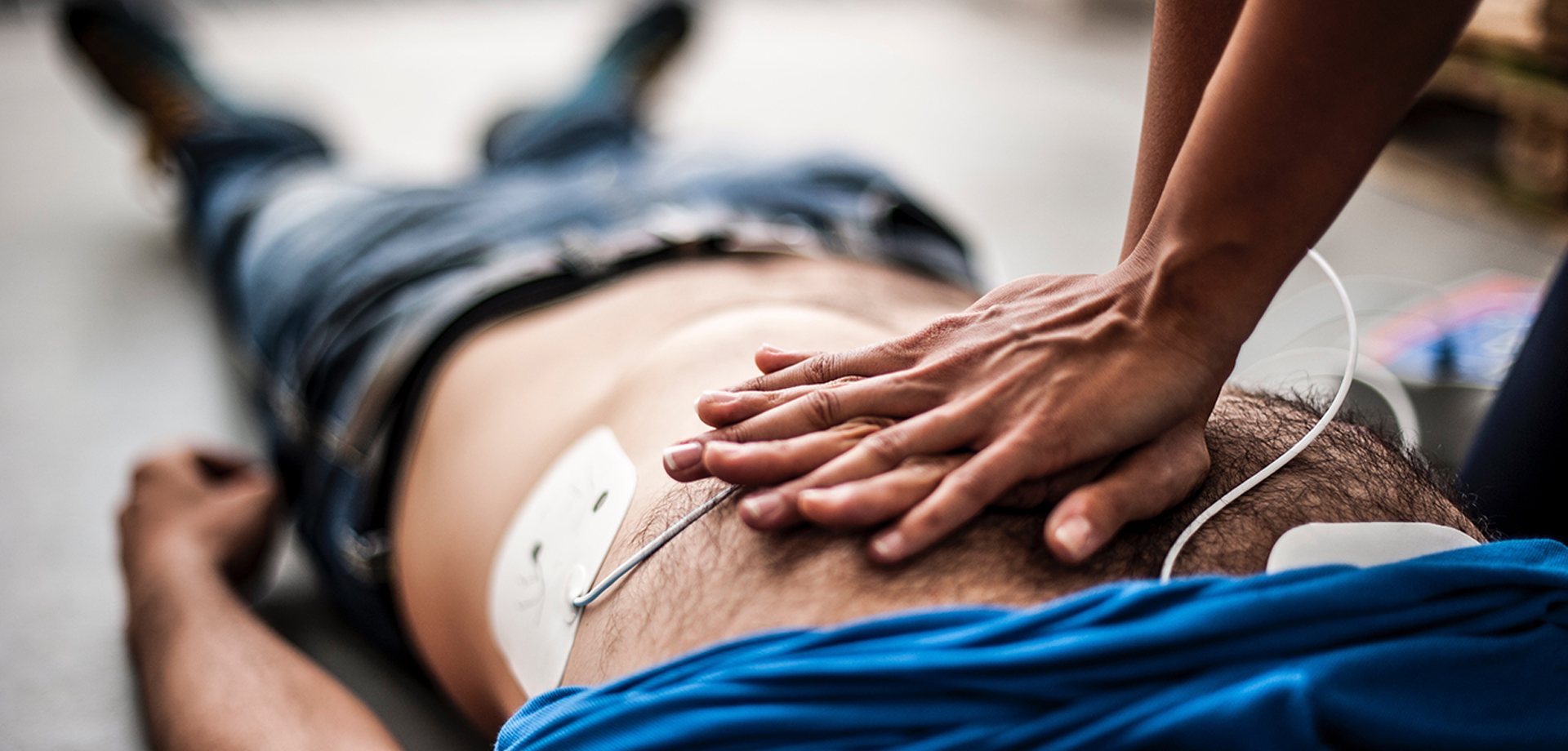
Triage and resuscitation form the backbone of emergency medicine, ensuring that critically ill or injured patients receive immediate, life-saving care without delay. In a busy Emergency Department in the UAE, where trauma, cardiac emergencies, heat-related illnesses, and acute medical crises are common, structured triage systems and internationally recognized resuscitation protocols such as Advanced Trauma Life Support (ATLS) and Advanced Cardiac Life Support (ACLS) are essential for improving survival outcomes.
Triage is the rapid clinical assessment process performed when a patient arrives in the emergency room. It determines the urgency of care based on vital signs, presenting symptoms, mechanism of injury, and risk factors. Patients with airway compromise, cardiac arrest, severe trauma, shock, stroke symptoms, or respiratory failure are prioritized immediately. This structured approach ensures that life-threatening conditions are managed first while maintaining efficient patient flow.
Resuscitation begins the moment a critical patient is identified. In trauma cases, ATLS principles guide care through a systematic primary survey known as ABCDE: Airway with cervical spine protection, Breathing and ventilation, Circulation with hemorrhage control, Disability (neurological assessment), and Exposure with temperature control. This standardized method reduces missed injuries and ensures rapid stabilization. For example, controlling massive bleeding, securing an airway, and restoring circulation can prevent irreversible organ damage.
In cardiac emergencies such as cardiac arrest, ACLS protocols are activated. These include high-quality cardiopulmonary resuscitation (CPR), early defibrillation when indicated, advanced airway management, intravenous medication administration, and rhythm interpretation. Timely intervention during the first few minutes significantly improves survival rates. In cases of myocardial infarction or unstable arrhythmias, immediate resuscitative measures can prevent sudden cardiac death.
Resuscitation care also includes management of shock states such as septic shock, hypovolemic shock from trauma, or cardiogenic shock. Rapid intravenous access, fluid resuscitation, vasopressor support when needed, oxygen therapy, and close cardiac monitoring are initiated promptly. Emergency physicians work closely with anesthesiologists, cardiologists, trauma surgeons, and ICU teams to ensure seamless escalation of care.
In the UAE, where road traffic accidents and cardiovascular diseases are prevalent, the importance of organized resuscitation systems cannot be overstated. Modern emergency departments are equipped with defibrillators, ventilators, ultrasound machines, rapid blood transfusion systems, and advanced monitoring devices to support high-acuity cases. Simulation training and mock codes ensure that medical teams remain prepared for high-stress situations.
Beyond physical stabilization, triage and resuscitation also involve communication and documentation. Families are informed promptly, and coordination with ambulance services, ICU, catheterization labs, or operating theatres is activated without delay. Rapid decision-making, teamwork, and adherence to international guidelines are key components of effective emergency resuscitation.
Ultimately, triage and resuscitation are not just procedures but structured systems designed to save lives. By combining rapid assessment, evidence-based protocols, and multidisciplinary coordination, emergency departments can deliver timely, high-quality care that significantly improves patient survival and recovery outcomes.
Triage is the rapid clinical assessment process performed when a patient arrives in the emergency room. It determines the urgency of care based on vital signs, presenting symptoms, mechanism of injury, and risk factors. Patients with airway compromise, cardiac arrest, severe trauma, shock, stroke symptoms, or respiratory failure are prioritized immediately. This structured approach ensures that life-threatening conditions are managed first while maintaining efficient patient flow.
Resuscitation begins the moment a critical patient is identified. In trauma cases, ATLS principles guide care through a systematic primary survey known as ABCDE: Airway with cervical spine protection, Breathing and ventilation, Circulation with hemorrhage control, Disability (neurological assessment), and Exposure with temperature control. This standardized method reduces missed injuries and ensures rapid stabilization. For example, controlling massive bleeding, securing an airway, and restoring circulation can prevent irreversible organ damage.
In cardiac emergencies such as cardiac arrest, ACLS protocols are activated. These include high-quality cardiopulmonary resuscitation (CPR), early defibrillation when indicated, advanced airway management, intravenous medication administration, and rhythm interpretation. Timely intervention during the first few minutes significantly improves survival rates. In cases of myocardial infarction or unstable arrhythmias, immediate resuscitative measures can prevent sudden cardiac death.
Resuscitation care also includes management of shock states such as septic shock, hypovolemic shock from trauma, or cardiogenic shock. Rapid intravenous access, fluid resuscitation, vasopressor support when needed, oxygen therapy, and close cardiac monitoring are initiated promptly. Emergency physicians work closely with anesthesiologists, cardiologists, trauma surgeons, and ICU teams to ensure seamless escalation of care.
In the UAE, where road traffic accidents and cardiovascular diseases are prevalent, the importance of organized resuscitation systems cannot be overstated. Modern emergency departments are equipped with defibrillators, ventilators, ultrasound machines, rapid blood transfusion systems, and advanced monitoring devices to support high-acuity cases. Simulation training and mock codes ensure that medical teams remain prepared for high-stress situations.
Beyond physical stabilization, triage and resuscitation also involve communication and documentation. Families are informed promptly, and coordination with ambulance services, ICU, catheterization labs, or operating theatres is activated without delay. Rapid decision-making, teamwork, and adherence to international guidelines are key components of effective emergency resuscitation.
Ultimately, triage and resuscitation are not just procedures but structured systems designed to save lives. By combining rapid assessment, evidence-based protocols, and multidisciplinary coordination, emergency departments can deliver timely, high-quality care that significantly improves patient survival and recovery outcomes.
Quick Contact
If you have any questions simply use the following contact details.

Working Hours
-
Out-patient Department
Monday to Saturday 08:00 AM - 09:00 PM
Sunday 10:00 AM - 06:00 PM
-
Emergency Department & Pharmacy
Sunday to Saturday 24x7


Book Appointments, Inquire, or Manage Your Care Easily – Get in Touch via
 04 406 3000
  04 406 3000
Quick Links
Legal
Working Hours
-
Out-patient Department
Monday to Saturday | 8 AM to 9 PM
Sunday | 10 AM to 6 PM
Emergency Department & Pharmacy | 24x7
Connect with us!




©2026 IMH. All Rights Reserved. Ministry of Health License No : YP7TYZVC-090326