

Spinal Tumor Resection
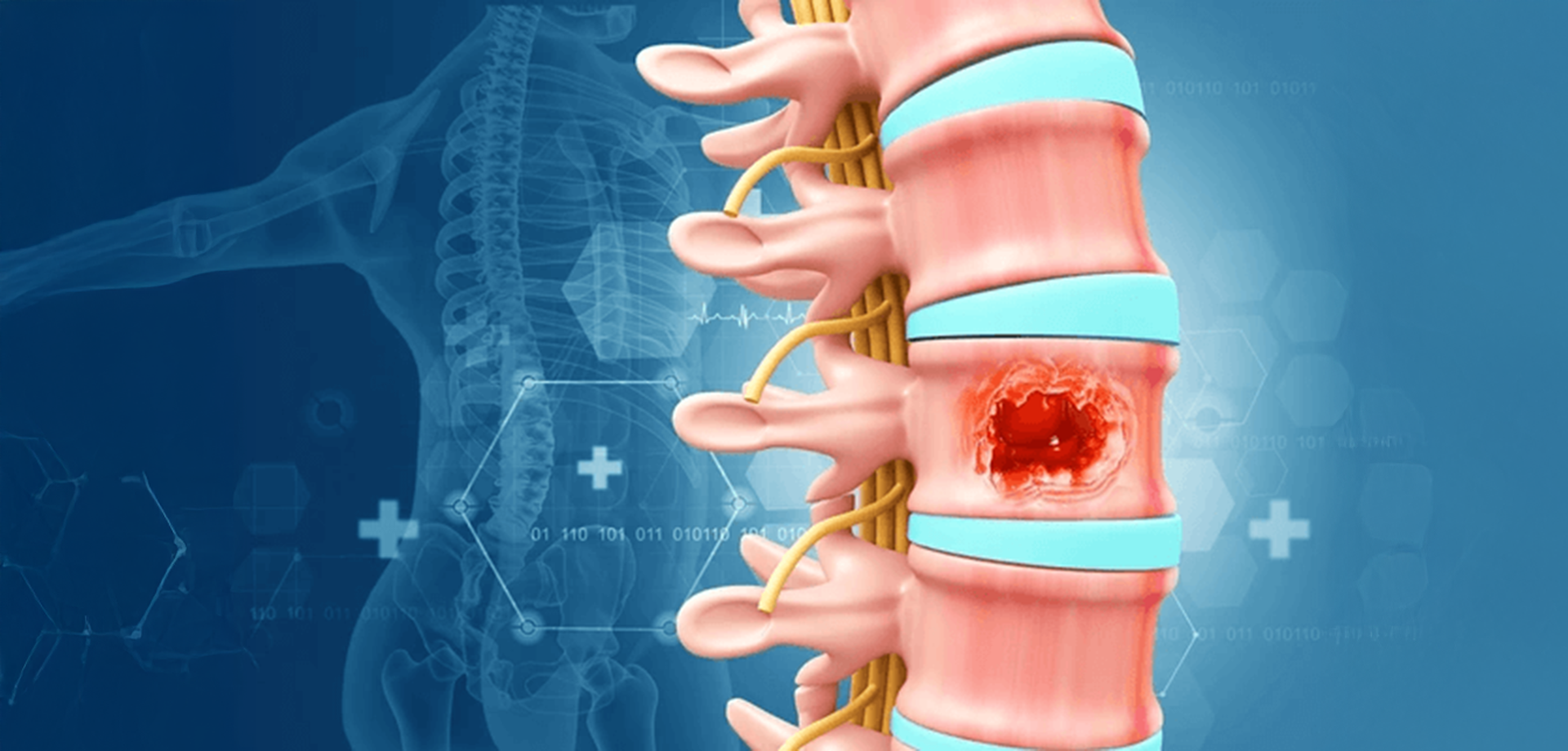
Spinal tumor resection is a highly specialized neurosurgical procedure performed to remove abnormal growths affecting the spinal cord, nerve roots, or surrounding vertebral structures. In the UAE’s advanced neuroscience ecosystem, spinal tumor management integrates precision surgery, advanced imaging, and multidisciplinary oncology collaboration to deliver comprehensive care. Spinal tumors may be primary, arising from spinal tissues, or metastatic, spreading from cancers elsewhere in the body. Regardless of origin, timely surgical evaluation is essential when tumors cause neurological symptoms, structural instability, or spinal cord compression.
Patients with spinal tumors may present with persistent back pain, limb weakness, numbness, gait imbalance, or bowel and bladder disturbances. MRI remains the gold standard imaging modality for diagnosing spinal tumors and mapping their anatomical relationships. In Dubai’s tertiary neuroscience centers, case discussions frequently involve neurosurgeons, oncologists, radiologists, and rehabilitation specialists to design individualized surgical strategies focused on maximal safe tumor removal while preserving neurological function.
Spinal tumor resection aims to decompress neural structures, obtain tissue diagnosis when required, and stabilize the spine if structural integrity is compromised. Surgical approaches vary depending on tumor location within the spinal canal, vertebral body, or surrounding tissues. Advanced operating suites across the UAE incorporate neuro-navigation systems and intraoperative monitoring to enhance precision and minimize neurological risk. In certain cases, tumor resection may be combined with stabilization procedures to maintain spinal alignment.
The complexity of spinal tumor surgery requires meticulous planning. Preservation of spinal cord function is paramount, particularly in tumors located within or adjacent to neural tissue. Precision instrumentation, high-definition visualization, and real-time monitoring contribute to improved safety profiles. Post-operative care is typically managed within specialized neurocritical or spine units where neurological status and structural stability are closely observed.
Recovery pathways emphasize early mobilization, physiotherapy coordination, and long-term surveillance imaging. In the UAE, integrated rehabilitation programs play a key role in restoring mobility and functional independence following tumor surgery. Collaboration with oncology teams ensures continuity of care in cases requiring adjunctive therapy planning.
Spinal tumor resection reflects the intersection of oncology and neurosurgery within comprehensive neuroscience centers. As healthcare infrastructure in Dubai continues to expand, patients benefit from access to advanced imaging technologies, multidisciplinary expertise, and internationally benchmarked surgical standards. Early detection and timely intervention remain critical to optimizing neurological outcomes. Within the UAE’s evolving medical landscape, spinal tumor surgery represents a cornerstone of complex spine and neuro-oncology care.
Patients with spinal tumors may present with persistent back pain, limb weakness, numbness, gait imbalance, or bowel and bladder disturbances. MRI remains the gold standard imaging modality for diagnosing spinal tumors and mapping their anatomical relationships. In Dubai’s tertiary neuroscience centers, case discussions frequently involve neurosurgeons, oncologists, radiologists, and rehabilitation specialists to design individualized surgical strategies focused on maximal safe tumor removal while preserving neurological function.
Spinal tumor resection aims to decompress neural structures, obtain tissue diagnosis when required, and stabilize the spine if structural integrity is compromised. Surgical approaches vary depending on tumor location within the spinal canal, vertebral body, or surrounding tissues. Advanced operating suites across the UAE incorporate neuro-navigation systems and intraoperative monitoring to enhance precision and minimize neurological risk. In certain cases, tumor resection may be combined with stabilization procedures to maintain spinal alignment.
The complexity of spinal tumor surgery requires meticulous planning. Preservation of spinal cord function is paramount, particularly in tumors located within or adjacent to neural tissue. Precision instrumentation, high-definition visualization, and real-time monitoring contribute to improved safety profiles. Post-operative care is typically managed within specialized neurocritical or spine units where neurological status and structural stability are closely observed.
Recovery pathways emphasize early mobilization, physiotherapy coordination, and long-term surveillance imaging. In the UAE, integrated rehabilitation programs play a key role in restoring mobility and functional independence following tumor surgery. Collaboration with oncology teams ensures continuity of care in cases requiring adjunctive therapy planning.
Spinal tumor resection reflects the intersection of oncology and neurosurgery within comprehensive neuroscience centers. As healthcare infrastructure in Dubai continues to expand, patients benefit from access to advanced imaging technologies, multidisciplinary expertise, and internationally benchmarked surgical standards. Early detection and timely intervention remain critical to optimizing neurological outcomes. Within the UAE’s evolving medical landscape, spinal tumor surgery represents a cornerstone of complex spine and neuro-oncology care.
Quick Contact
If you have any questions simply use the following contact details.

Working Hours
-
Out-patient Department
Monday to Saturday 08:00 AM - 09:00 PM
Sunday 10:00 AM - 06:00 PM
-
Emergency Department & Pharmacy
Sunday to Saturday 24x7


Book Appointments, Inquire, or Manage Your Care Easily – Get in Touch via
 04 406 3000
  04 406 3000
Quick Links
Legal
Working Hours
-
Out-patient Department
Monday to Saturday | 8 AM to 9 PM
Sunday | 10 AM to 6 PM
Emergency Department & Pharmacy | 24x7
Connect with us!




©2026 IMH. All Rights Reserved. Ministry of Health License No : YP7TYZVC-090326