

Scar Management & Revision (Non-Surgical)
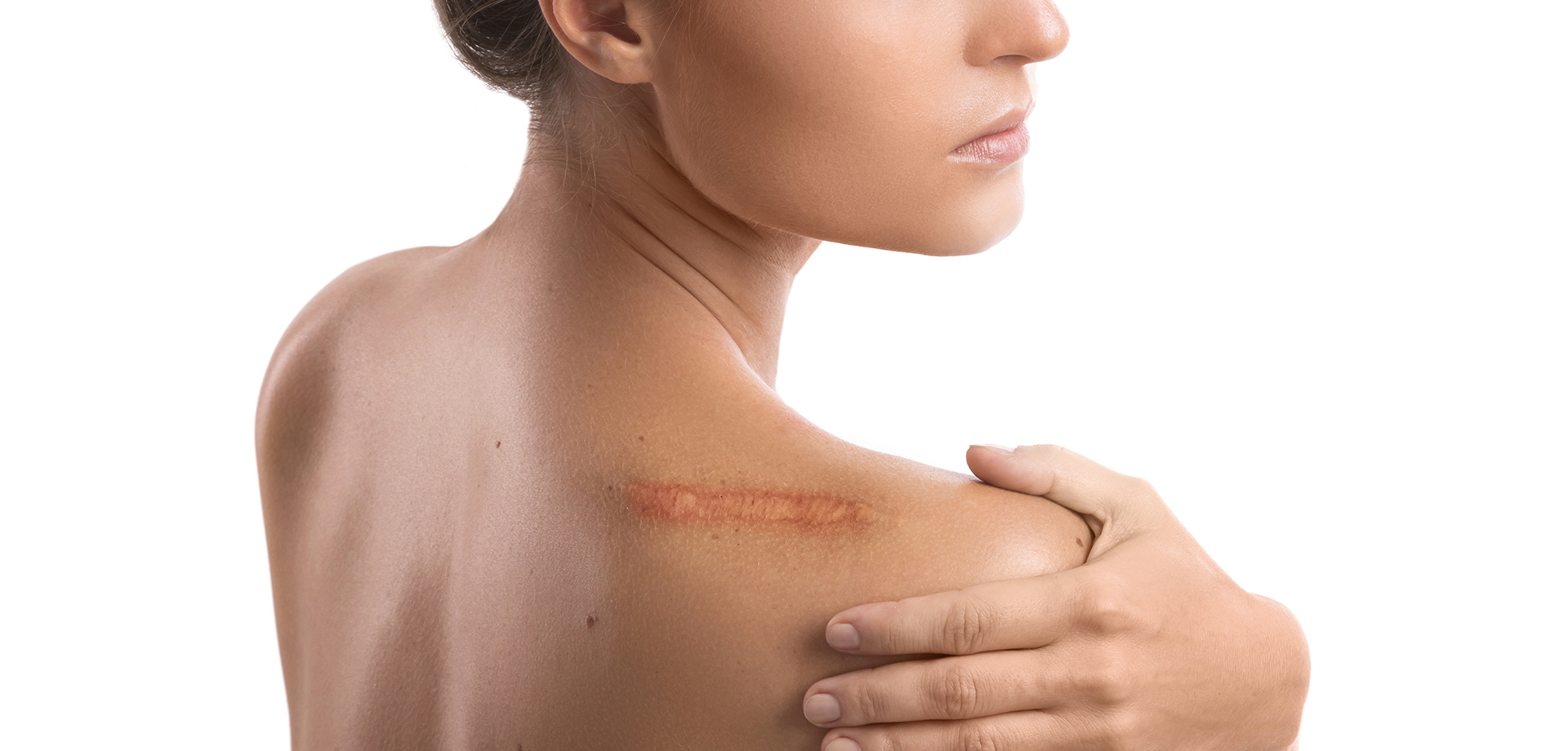
Non-surgical scar management and revision focus on improving the texture, appearance, and symptoms of scars without surgical excision. Scars may result from acne, surgery, trauma, burns, inflammatory skin conditions, or improper wound healing. Although scars represent permanent structural changes in the skin, their visibility and associated discomfort can often be significantly reduced through structured dermatological intervention.
Scar formation is part of the natural healing process. However, abnormal healing can lead to hypertrophic scars, keloids, atrophic scars, or pigmentary changes. Each scar type requires a tailored approach. Hypertrophic scars remain within wound boundaries but appear raised and firm. Keloids extend beyond the original injury and may continue growing. Atrophic scars, often seen after acne, appear depressed due to collagen loss.
Effective scar management begins with detailed evaluation of scar type, age, location, skin type, and symptom severity. Early intervention generally yields better results than treating mature scars. Treatment planning considers patient goals, tolerance, and expected recovery time.
Non-surgical scar revision aims to remodel collagen, reduce inflammation, flatten raised scars, and improve pigmentation irregularities. A multimodal approach is often used to maximize outcomes. Treatment may involve topical regimens, targeted procedures, and ongoing monitoring.
Consistency and follow-up are essential. Scar improvement occurs gradually over weeks to months as collagen remodeling takes place. Patients are educated about realistic expectations, sun protection, and adherence to maintenance protocols.
One of the key benefits of non-surgical scar management is minimal downtime. Patients can typically resume daily activities quickly while undergoing progressive improvement. Combination strategies may enhance texture smoothing, flatten raised tissue, and even out skin tone.
Psychological impact is also considered. Visible scars can affect confidence and social comfort. Structured scar revision programs help restore both physical appearance and emotional well-being.
With individualized assessment, careful planning, and consistent follow-up, non-surgical scar management significantly reduces scar prominence and improves skin texture. This approach offers effective aesthetic improvement without operative intervention, making it a preferred option for many patients seeking safer, less invasive solutions.
Scar formation is part of the natural healing process. However, abnormal healing can lead to hypertrophic scars, keloids, atrophic scars, or pigmentary changes. Each scar type requires a tailored approach. Hypertrophic scars remain within wound boundaries but appear raised and firm. Keloids extend beyond the original injury and may continue growing. Atrophic scars, often seen after acne, appear depressed due to collagen loss.
Effective scar management begins with detailed evaluation of scar type, age, location, skin type, and symptom severity. Early intervention generally yields better results than treating mature scars. Treatment planning considers patient goals, tolerance, and expected recovery time.
Non-surgical scar revision aims to remodel collagen, reduce inflammation, flatten raised scars, and improve pigmentation irregularities. A multimodal approach is often used to maximize outcomes. Treatment may involve topical regimens, targeted procedures, and ongoing monitoring.
Consistency and follow-up are essential. Scar improvement occurs gradually over weeks to months as collagen remodeling takes place. Patients are educated about realistic expectations, sun protection, and adherence to maintenance protocols.
One of the key benefits of non-surgical scar management is minimal downtime. Patients can typically resume daily activities quickly while undergoing progressive improvement. Combination strategies may enhance texture smoothing, flatten raised tissue, and even out skin tone.
Psychological impact is also considered. Visible scars can affect confidence and social comfort. Structured scar revision programs help restore both physical appearance and emotional well-being.
With individualized assessment, careful planning, and consistent follow-up, non-surgical scar management significantly reduces scar prominence and improves skin texture. This approach offers effective aesthetic improvement without operative intervention, making it a preferred option for many patients seeking safer, less invasive solutions.
Quick Contact
If you have any questions simply use the following contact details.

Working Hours
-
Out-patient Department
Monday to Saturday 08:00 AM - 09:00 PM
Sunday 10:00 AM - 06:00 PM
-
Emergency Department & Pharmacy
Sunday to Saturday 24x7



Book Appointments, Inquire, or Manage Your Care Easily – Get in Touch via
 04 406 3000
  04 406 3000
Quick Links
Legal
Working Hours
-
Out-patient Department
Monday to Saturday | 8 AM to 9 PM
Sunday | 10 AM to 6 PM
Emergency Department & Pharmacy | 24x7
Connect with us!




©2026 IMH. All Rights Reserved. Ministry of Health License No : YP7TYZVC-090326