

Nebulization & Acute Respiratory Protocols
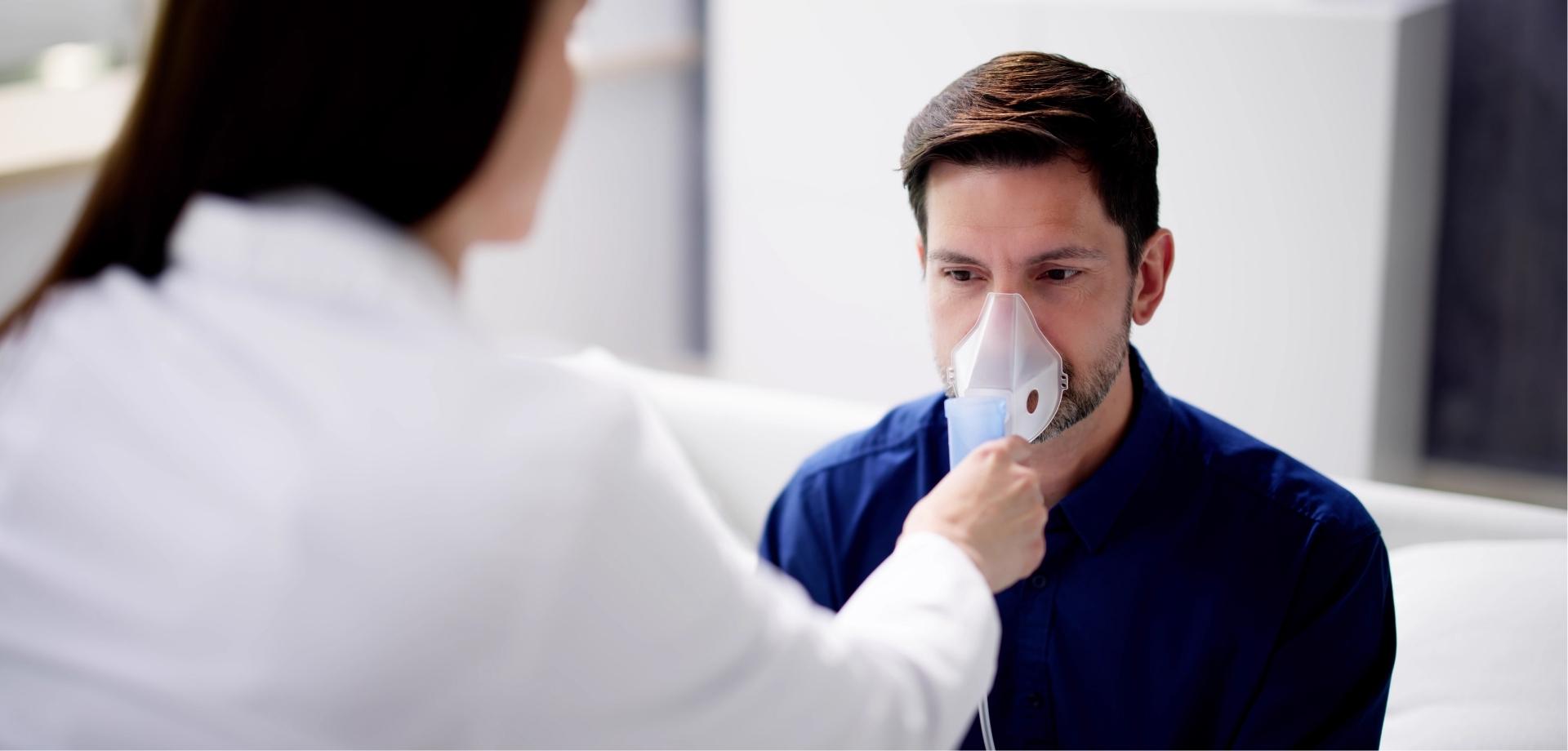
Nebulization and acute respiratory protocols are vital emergency interventions for patients presenting with breathing difficulties. In the UAE, asthma exacerbations, chronic obstructive pulmonary disease (COPD) flare-ups, allergic reactions, respiratory infections, and environmental triggers such as dust storms frequently lead to acute respiratory distress requiring urgent treatment.
When a patient presents with shortness of breath, wheezing, chest tightness, or low oxygen saturation, rapid assessment of airway patency, respiratory rate, oxygen levels, and work of breathing is performed. Oxygen therapy is initiated immediately when indicated.
Nebulization involves delivering medication in mist form directly into the lungs using a nebulizer device. Bronchodilators such as salbutamol and ipratropium help relax airway muscles, improving airflow and relieving bronchospasm. In moderate to severe asthma attacks, repeated nebulization cycles are administered under close monitoring.
Systemic corticosteroids may be given to reduce airway inflammation, while intravenous medications are considered for severe cases. In COPD exacerbations, nebulization combined with oxygen therapy improves ventilation and reduces respiratory distress.
Acute respiratory protocols follow evidence-based guidelines for conditions such as asthma, COPD, pneumonia, anaphylaxis, and pulmonary edema. Continuous monitoring ensures early detection of deterioration. Pulse oximetry, arterial blood gas analysis, and chest imaging may be performed to assess severity.
High-flow nasal oxygen or non-invasive ventilation may be initiated when standard oxygen therapy is insufficient. Early escalation to advanced airway management is arranged for patients showing signs of respiratory failure.
Pediatric respiratory emergencies are managed with age-appropriate dosing and equipment. Rapid intervention is especially critical in children due to their smaller airway anatomy.
Emergency departments in Dubai are equipped with nebulizer machines, oxygen delivery systems, respiratory monitoring devices, and trained staff capable of managing both adult and pediatric respiratory crises.
Patient education plays a key role in preventing recurrence. After stabilization, patients receive guidance on inhaler techniques, trigger avoidance, medication adherence, and follow-up with pulmonology specialists.
Nebulization and acute respiratory protocols form a cornerstone of emergency respiratory care. Through prompt treatment, continuous monitoring, and structured escalation pathways, emergency departments effectively manage breathing emergencies and prevent life-threatening complications.
When a patient presents with shortness of breath, wheezing, chest tightness, or low oxygen saturation, rapid assessment of airway patency, respiratory rate, oxygen levels, and work of breathing is performed. Oxygen therapy is initiated immediately when indicated.
Nebulization involves delivering medication in mist form directly into the lungs using a nebulizer device. Bronchodilators such as salbutamol and ipratropium help relax airway muscles, improving airflow and relieving bronchospasm. In moderate to severe asthma attacks, repeated nebulization cycles are administered under close monitoring.
Systemic corticosteroids may be given to reduce airway inflammation, while intravenous medications are considered for severe cases. In COPD exacerbations, nebulization combined with oxygen therapy improves ventilation and reduces respiratory distress.
Acute respiratory protocols follow evidence-based guidelines for conditions such as asthma, COPD, pneumonia, anaphylaxis, and pulmonary edema. Continuous monitoring ensures early detection of deterioration. Pulse oximetry, arterial blood gas analysis, and chest imaging may be performed to assess severity.
High-flow nasal oxygen or non-invasive ventilation may be initiated when standard oxygen therapy is insufficient. Early escalation to advanced airway management is arranged for patients showing signs of respiratory failure.
Pediatric respiratory emergencies are managed with age-appropriate dosing and equipment. Rapid intervention is especially critical in children due to their smaller airway anatomy.
Emergency departments in Dubai are equipped with nebulizer machines, oxygen delivery systems, respiratory monitoring devices, and trained staff capable of managing both adult and pediatric respiratory crises.
Patient education plays a key role in preventing recurrence. After stabilization, patients receive guidance on inhaler techniques, trigger avoidance, medication adherence, and follow-up with pulmonology specialists.
Nebulization and acute respiratory protocols form a cornerstone of emergency respiratory care. Through prompt treatment, continuous monitoring, and structured escalation pathways, emergency departments effectively manage breathing emergencies and prevent life-threatening complications.
Quick Contact
If you have any questions simply use the following contact details.

Working Hours
-
Out-patient Department
Monday to Saturday 08:00 AM - 09:00 PM
Sunday 10:00 AM - 06:00 PM
-
Emergency Department & Pharmacy
Sunday to Saturday 24x7



Book Appointments, Inquire, or Manage Your Care Easily – Get in Touch via
 04 406 3000
  04 406 3000
Quick Links
Legal
Working Hours
-
Out-patient Department
Monday to Saturday | 8 AM to 9 PM
Sunday | 10 AM to 6 PM
Emergency Department & Pharmacy | 24x7
Connect with us!




©2026 IMH. All Rights Reserved. Ministry of Health License No : YP7TYZVC-090326