

Minimally Invasive Cranial Procedures
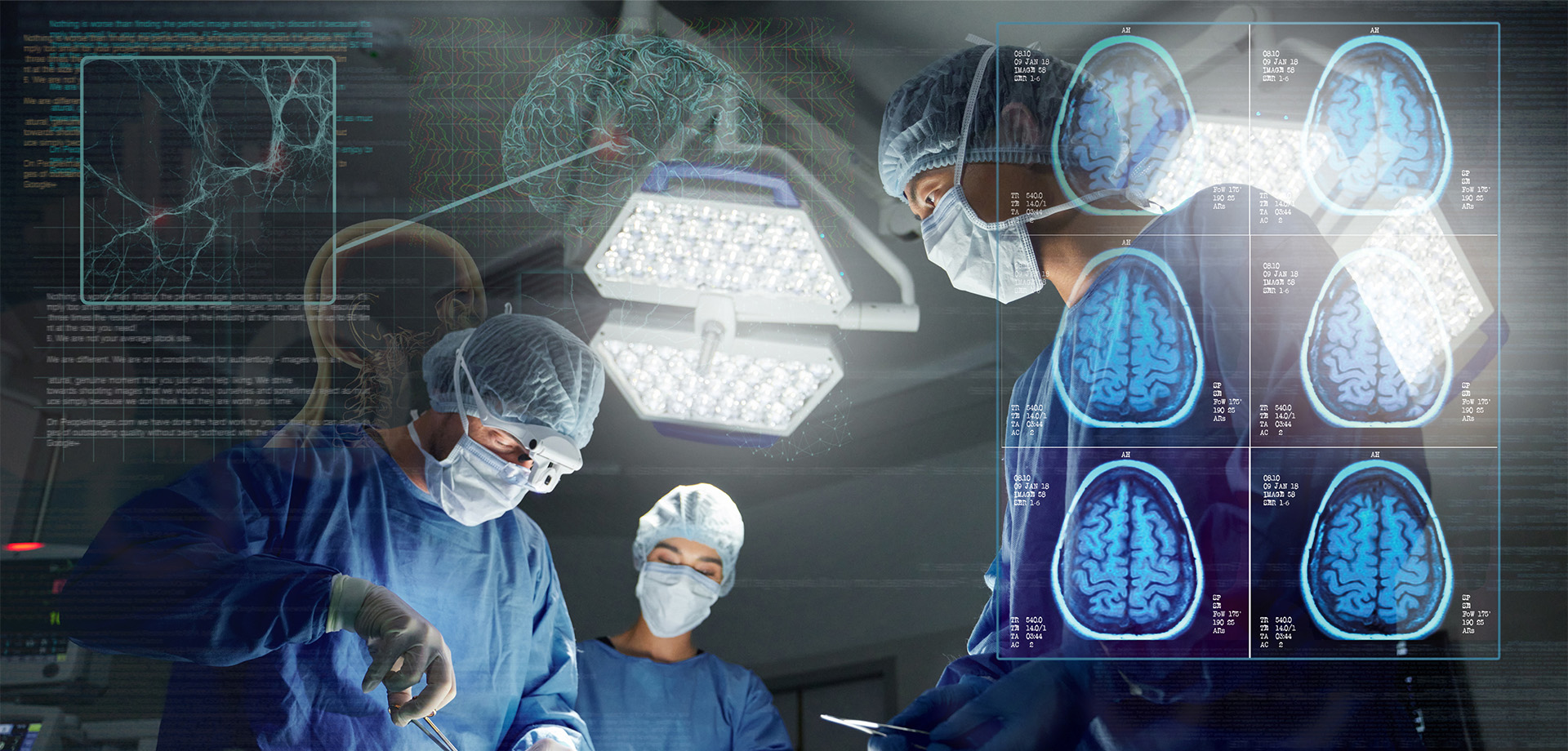
Minimally invasive cranial procedures represent a transformative shift in neurosurgery, focusing on reducing tissue disruption while maintaining surgical precision and safety. In the UAE’s advanced neuroscience landscape, these procedures are increasingly utilized for selected brain tumors, vascular abnormalities, cysts, and skull base conditions. Unlike traditional open craniotomy approaches requiring larger bone openings, minimally invasive techniques use smaller incisions, keyhole openings, or endoscopic corridors to access targeted intracranial areas with reduced trauma to surrounding structures.
These procedures rely heavily on high-definition imaging, neuro-navigation systems, and endoscopic visualization. Through carefully planned surgical pathways, neurosurgeons can access deep-seated brain lesions while preserving healthy tissue. In Dubai’s tertiary neuroscience centers, integration of 3D imaging and real-time intraoperative guidance enhances accuracy, contributing to shorter hospital stays and potentially faster functional recovery. Precision is particularly important when operating near eloquent brain regions responsible for speech, movement, and cognition.
Candidates for minimally invasive cranial procedures are carefully selected based on lesion size, location, vascular involvement, and overall neurological status. Conditions commonly addressed through these approaches include small tumors, ventricular lesions, certain hemorrhages, and skull base pathologies. The goal remains maximal safe intervention while minimizing post-operative discomfort, scarring, and recovery time. For patients, this approach often translates into smaller incisions, less postoperative swelling, and earlier mobilization.
In the UAE, neuroscience programs emphasize multidisciplinary collaboration, with neurosurgeons, neuro-radiologists, anesthesiologists, and neuro-rehabilitation specialists working cohesively. Advanced operating suites are designed to support high-precision minimally invasive techniques, incorporating intraoperative imaging and neuromonitoring. Post-operative pathways typically include early neurological evaluation and rehabilitation planning to maintain functional outcomes.
While minimally invasive cranial surgery offers significant advantages, it requires highly specialized expertise and advanced infrastructure. The surgeon’s experience and institutional capabilities are central to achieving optimal outcomes. In Dubai’s competitive healthcare environment, leading neuroscience centers continue investing in next-generation visualization tools and training programs to maintain international standards.
Minimally invasive cranial procedures reflect the evolution of neurosurgery toward precision-driven, patient-centered care. By reducing surgical footprint while preserving therapeutic effectiveness, these techniques support improved patient experiences without compromising safety. As UAE neuroscience continues to expand, minimally invasive brain surgery is positioned as a hallmark of advanced neurosurgical excellence, attracting both regional and international patients seeking sophisticated, technology-driven care.
These procedures rely heavily on high-definition imaging, neuro-navigation systems, and endoscopic visualization. Through carefully planned surgical pathways, neurosurgeons can access deep-seated brain lesions while preserving healthy tissue. In Dubai’s tertiary neuroscience centers, integration of 3D imaging and real-time intraoperative guidance enhances accuracy, contributing to shorter hospital stays and potentially faster functional recovery. Precision is particularly important when operating near eloquent brain regions responsible for speech, movement, and cognition.
Candidates for minimally invasive cranial procedures are carefully selected based on lesion size, location, vascular involvement, and overall neurological status. Conditions commonly addressed through these approaches include small tumors, ventricular lesions, certain hemorrhages, and skull base pathologies. The goal remains maximal safe intervention while minimizing post-operative discomfort, scarring, and recovery time. For patients, this approach often translates into smaller incisions, less postoperative swelling, and earlier mobilization.
In the UAE, neuroscience programs emphasize multidisciplinary collaboration, with neurosurgeons, neuro-radiologists, anesthesiologists, and neuro-rehabilitation specialists working cohesively. Advanced operating suites are designed to support high-precision minimally invasive techniques, incorporating intraoperative imaging and neuromonitoring. Post-operative pathways typically include early neurological evaluation and rehabilitation planning to maintain functional outcomes.
While minimally invasive cranial surgery offers significant advantages, it requires highly specialized expertise and advanced infrastructure. The surgeon’s experience and institutional capabilities are central to achieving optimal outcomes. In Dubai’s competitive healthcare environment, leading neuroscience centers continue investing in next-generation visualization tools and training programs to maintain international standards.
Minimally invasive cranial procedures reflect the evolution of neurosurgery toward precision-driven, patient-centered care. By reducing surgical footprint while preserving therapeutic effectiveness, these techniques support improved patient experiences without compromising safety. As UAE neuroscience continues to expand, minimally invasive brain surgery is positioned as a hallmark of advanced neurosurgical excellence, attracting both regional and international patients seeking sophisticated, technology-driven care.
Quick Contact
If you have any questions simply use the following contact details.

Working Hours
-
Out-patient Department
Monday to Saturday 08:00 AM - 09:00 PM
Sunday 10:00 AM - 06:00 PM
-
Emergency Department & Pharmacy
Sunday to Saturday 24x7


Book Appointments, Inquire, or Manage Your Care Easily – Get in Touch via
 04 406 3000
  04 406 3000
Quick Links
Legal
Working Hours
-
Out-patient Department
Monday to Saturday | 8 AM to 9 PM
Sunday | 10 AM to 6 PM
Emergency Department & Pharmacy | 24x7
Connect with us!




©2026 IMH. All Rights Reserved. Ministry of Health License No : YP7TYZVC-090326