

Lumbar Puncture Coordination
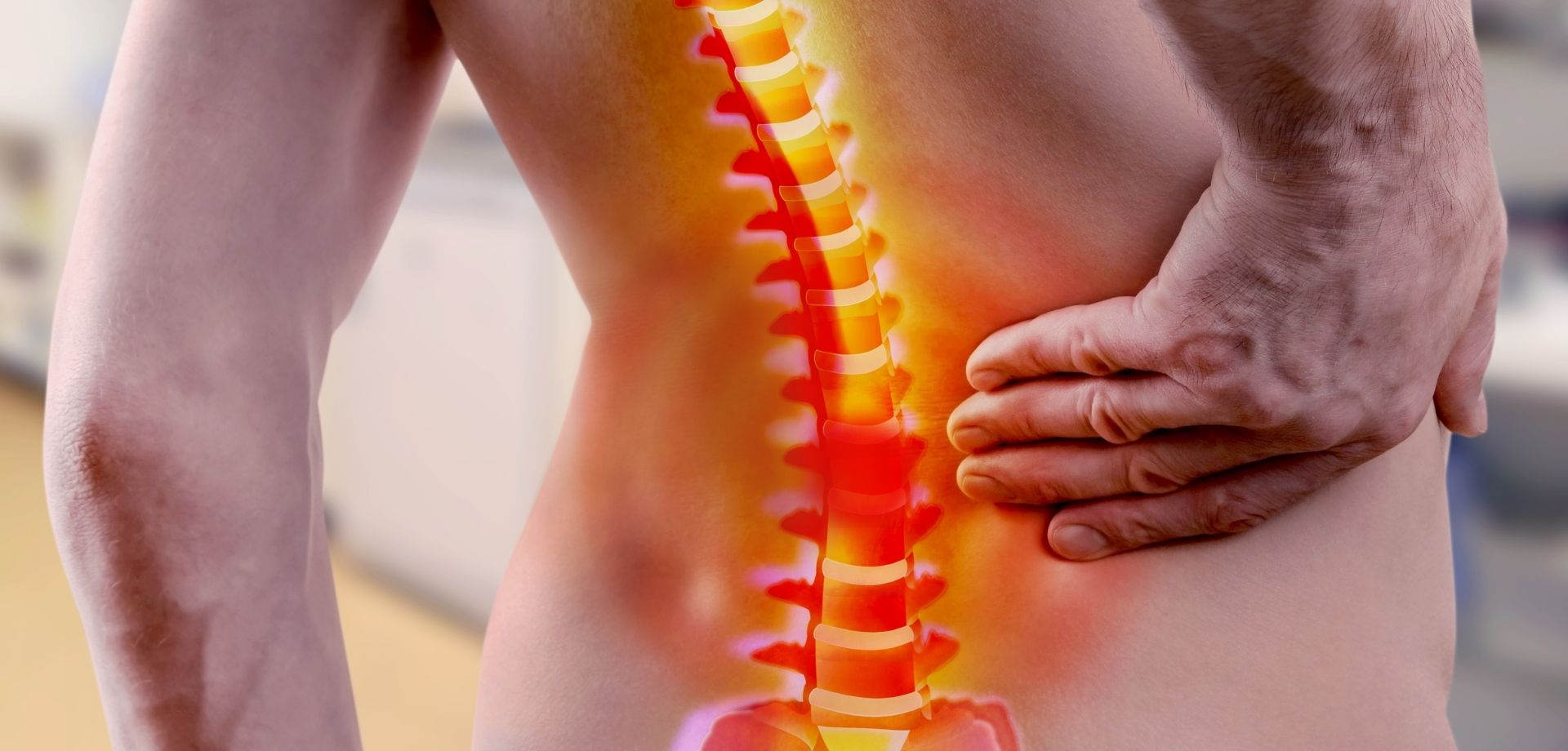
Lumbar puncture coordination is an important neurological service used for diagnostic clarification in selected brain and spinal cord conditions. In Dubai and across the UAE, structured referral and coordination pathways ensure that this procedure is performed safely, appropriately indicated, and integrated into comprehensive neurological evaluation. A lumbar puncture involves collecting cerebrospinal fluid from the lower spine for laboratory analysis, providing critical information about infections, inflammation, autoimmune disorders, and certain neurological diseases.
Neurologists determine the need for lumbar puncture based on clinical presentation, imaging findings, and diagnostic uncertainty. Symptoms that may prompt consideration include unexplained severe headache, suspected central nervous system infection, inflammatory neurological disorders, demyelinating conditions, or abnormal imaging results. The decision to proceed is made carefully after reviewing imaging studies to ensure procedural safety.
Coordination includes pre-procedure assessment, laboratory planning, and explanation of the process to the patient. Patients are informed about the steps involved, positioning requirements, and expected recovery. The procedure is typically performed under sterile conditions, often with imaging guidance when appropriate.
After cerebrospinal fluid collection, laboratory evaluation may include analysis for infection markers, inflammatory indicators, immune-related activity, and other diagnostic parameters depending on the clinical context. Results are interpreted alongside clinical findings and imaging studies to guide further neurological planning.
Post-procedure monitoring ensures patient comfort and safety. Temporary mild headache or localized discomfort may occur but is usually self-limiting. Structured follow-up allows timely discussion of laboratory findings and integration into overall care pathways.
In the UAE’s advanced neuroscience centers, lumbar puncture coordination is managed within a multidisciplinary framework involving neurologists, radiology teams, and laboratory services. Clear communication and scheduling efficiency reduce delays and enhance diagnostic accuracy.
Lumbar puncture coordination supports precise neurological diagnosis when non-invasive testing is insufficient. Through structured evaluation, safety protocols, and integrated follow-up, neuroscience teams ensure accurate interpretation and seamless incorporation into long-term care planning.
Neurologists determine the need for lumbar puncture based on clinical presentation, imaging findings, and diagnostic uncertainty. Symptoms that may prompt consideration include unexplained severe headache, suspected central nervous system infection, inflammatory neurological disorders, demyelinating conditions, or abnormal imaging results. The decision to proceed is made carefully after reviewing imaging studies to ensure procedural safety.
Coordination includes pre-procedure assessment, laboratory planning, and explanation of the process to the patient. Patients are informed about the steps involved, positioning requirements, and expected recovery. The procedure is typically performed under sterile conditions, often with imaging guidance when appropriate.
After cerebrospinal fluid collection, laboratory evaluation may include analysis for infection markers, inflammatory indicators, immune-related activity, and other diagnostic parameters depending on the clinical context. Results are interpreted alongside clinical findings and imaging studies to guide further neurological planning.
Post-procedure monitoring ensures patient comfort and safety. Temporary mild headache or localized discomfort may occur but is usually self-limiting. Structured follow-up allows timely discussion of laboratory findings and integration into overall care pathways.
In the UAE’s advanced neuroscience centers, lumbar puncture coordination is managed within a multidisciplinary framework involving neurologists, radiology teams, and laboratory services. Clear communication and scheduling efficiency reduce delays and enhance diagnostic accuracy.
Lumbar puncture coordination supports precise neurological diagnosis when non-invasive testing is insufficient. Through structured evaluation, safety protocols, and integrated follow-up, neuroscience teams ensure accurate interpretation and seamless incorporation into long-term care planning.
Quick Contact
If you have any questions simply use the following contact details.

Working Hours
-
Out-patient Department
Monday to Saturday 08:00 AM - 09:00 PM
Sunday 10:00 AM - 06:00 PM
-
Emergency Department & Pharmacy
Sunday to Saturday 24x7



Book Appointments, Inquire, or Manage Your Care Easily – Get in Touch via
 04 406 3000
  04 406 3000
Quick Links
Legal
Working Hours
-
Out-patient Department
Monday to Saturday | 8 AM to 9 PM
Sunday | 10 AM to 6 PM
Emergency Department & Pharmacy | 24x7
Connect with us!




©2026 IMH. All Rights Reserved. Ministry of Health License No : YP7TYZVC-090326