

Hearing Assessment & Hearing Aid Fitting Coordination
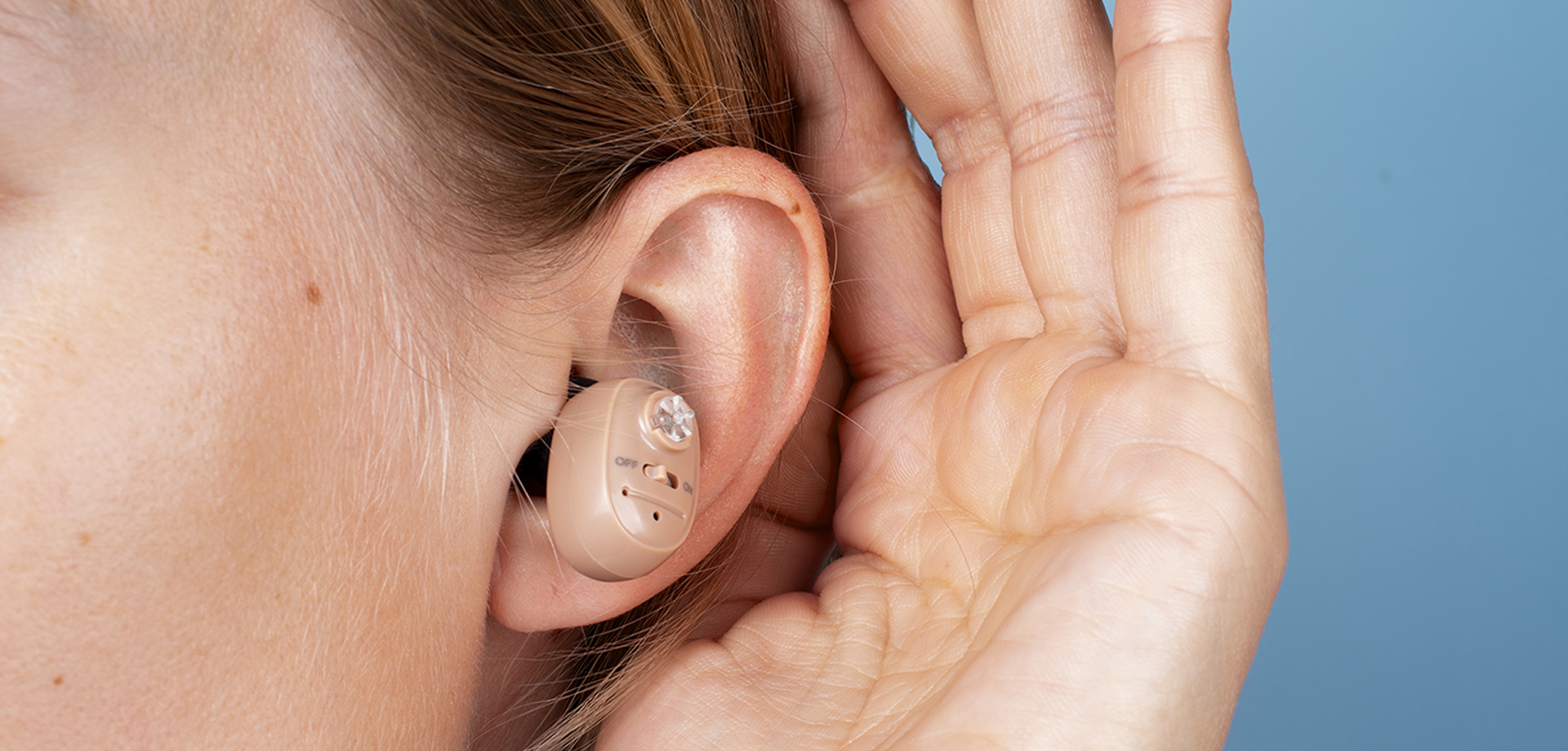
Hearing assessment and hearing aid fitting coordination is a comprehensive ENT service focused on early detection, accurate diagnosis, and structured rehabilitation of hearing loss. Hearing impairment can affect individuals of all ages, from children with speech delays to older adults experiencing age-related hearing decline. Early evaluation and coordinated intervention are critical to preserving communication ability, cognitive function, and overall quality of life.
Hearing loss may be conductive, sensorineural, or mixed in origin. Conductive hearing loss results from problems in the outer or middle ear, such as earwax blockage, infections, or eardrum abnormalities. Sensorineural hearing loss involves the inner ear or auditory nerve and is commonly associated with aging, noise exposure, genetic predisposition, or certain medical conditions. Mixed hearing loss combines elements of both.
The process begins with a detailed ENT evaluation that includes medical history, symptom review, and physical examination of the ear canal and tympanic membrane. Diagnostic testing typically involves audiometric assessments to measure hearing thresholds across frequencies, speech discrimination testing, and tympanometry to evaluate middle ear function. These objective measures help determine the degree and type of hearing loss.
Once hearing impairment is identified, coordinated hearing rehabilitation planning is initiated. For individuals who benefit from amplification devices, hearing aid fitting coordination becomes a structured process. This includes selection of appropriate hearing aid type based on hearing profile, lifestyle needs, dexterity, and cosmetic preference. Options may include behind-the-ear, in-the-ear, or receiver-in-canal devices.
Fitting is not a one-time event but a calibrated process. Devices are programmed according to audiometric results to ensure optimal sound amplification without distortion. Patients undergo counseling on device use, maintenance, cleaning, battery management, and realistic expectations. Follow-up appointments allow fine-tuning of settings and monitoring of adaptation progress.
Hearing rehabilitation extends beyond device placement. Patients may require auditory training, communication strategy counseling, and family education. Early intervention in children is particularly crucial to support speech and language development.
Safety and long-term care are emphasized. Regular hearing monitoring ensures device adjustments as hearing thresholds change over time. For progressive hearing loss, periodic reassessment allows timely upgrades or alternative management strategies.
Hearing assessment and coordinated hearing aid fitting restore functional hearing, improve communication confidence, reduce social isolation, and enhance overall cognitive well-being. Structured ENT-led coordination ensures that amplification solutions are accurate, individualized, and sustainably effective.
Hearing loss may be conductive, sensorineural, or mixed in origin. Conductive hearing loss results from problems in the outer or middle ear, such as earwax blockage, infections, or eardrum abnormalities. Sensorineural hearing loss involves the inner ear or auditory nerve and is commonly associated with aging, noise exposure, genetic predisposition, or certain medical conditions. Mixed hearing loss combines elements of both.
The process begins with a detailed ENT evaluation that includes medical history, symptom review, and physical examination of the ear canal and tympanic membrane. Diagnostic testing typically involves audiometric assessments to measure hearing thresholds across frequencies, speech discrimination testing, and tympanometry to evaluate middle ear function. These objective measures help determine the degree and type of hearing loss.
Once hearing impairment is identified, coordinated hearing rehabilitation planning is initiated. For individuals who benefit from amplification devices, hearing aid fitting coordination becomes a structured process. This includes selection of appropriate hearing aid type based on hearing profile, lifestyle needs, dexterity, and cosmetic preference. Options may include behind-the-ear, in-the-ear, or receiver-in-canal devices.
Fitting is not a one-time event but a calibrated process. Devices are programmed according to audiometric results to ensure optimal sound amplification without distortion. Patients undergo counseling on device use, maintenance, cleaning, battery management, and realistic expectations. Follow-up appointments allow fine-tuning of settings and monitoring of adaptation progress.
Hearing rehabilitation extends beyond device placement. Patients may require auditory training, communication strategy counseling, and family education. Early intervention in children is particularly crucial to support speech and language development.
Safety and long-term care are emphasized. Regular hearing monitoring ensures device adjustments as hearing thresholds change over time. For progressive hearing loss, periodic reassessment allows timely upgrades or alternative management strategies.
Hearing assessment and coordinated hearing aid fitting restore functional hearing, improve communication confidence, reduce social isolation, and enhance overall cognitive well-being. Structured ENT-led coordination ensures that amplification solutions are accurate, individualized, and sustainably effective.
Quick Contact
If you have any questions simply use the following contact details.

Working Hours
-
Out-patient Department
Monday to Saturday 08:00 AM - 09:00 PM
Sunday 10:00 AM - 06:00 PM
-
Emergency Department & Pharmacy
Sunday to Saturday 24x7



Book Appointments, Inquire, or Manage Your Care Easily – Get in Touch via
 04 406 3000
  04 406 3000
Quick Links
Legal
Working Hours
-
Out-patient Department
Monday to Saturday | 8 AM to 9 PM
Sunday | 10 AM to 6 PM
Emergency Department & Pharmacy | 24x7
Connect with us!




©2026 IMH. All Rights Reserved. Ministry of Health License No : YP7TYZVC-090326