

Head & Neck Lump Biopsy / Excision Coordination
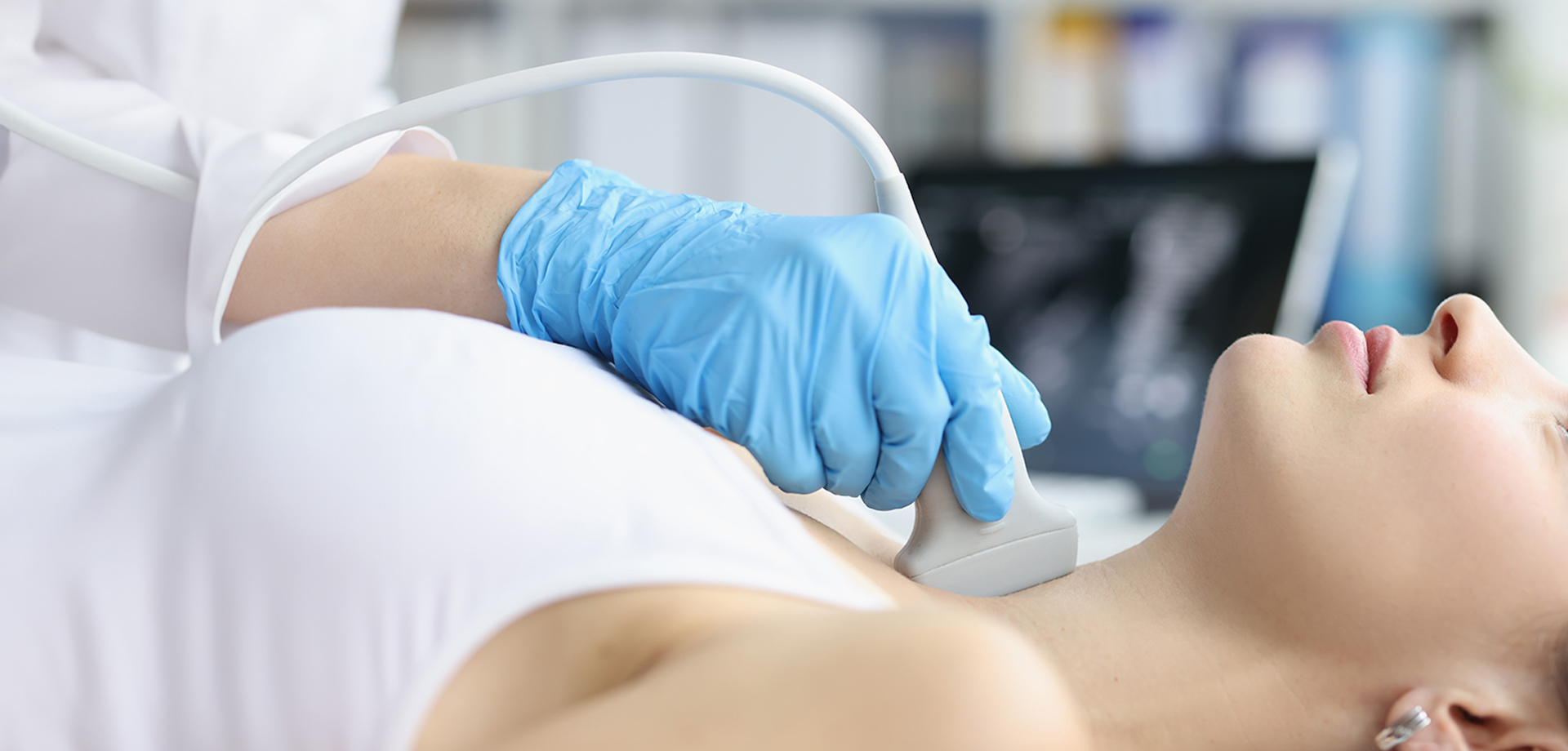
Head and neck lump biopsy and excision coordination is an essential ENT service focused on the structured evaluation and management of palpable masses in the neck, salivary glands, thyroid region, or soft tissues. While many neck lumps are benign and related to infection or inflammation, persistent or unexplained masses require timely assessment to rule out serious pathology.
Neck lumps may arise from lymph nodes, thyroid nodules, salivary glands, cysts, or soft tissue structures. Common causes include reactive lymphadenopathy following infection, benign cysts, lipomas, or inflammatory swelling. However, persistent, enlarging, painless, or firm masses warrant further diagnostic evaluation.
The process begins with detailed history-taking and physical examination. Key considerations include duration, growth pattern, associated symptoms (such as pain, fever, weight loss, or voice changes), and risk factors. Imaging studies such as ultrasound or other modalities may be recommended to assess size, location, vascularity, and internal characteristics.
When tissue diagnosis is required, biopsy coordination is initiated. This may involve fine needle aspiration (FNA) for cytological evaluation or excisional biopsy for complete tissue sampling. Coordination ensures appropriate planning, patient counseling, and follow-up for results interpretation.
Excision may be recommended when a mass is symptomatic, cosmetically concerning, suspicious, or confirmed to require removal. Procedures are carefully planned to preserve surrounding structures and optimize healing.
Post-procedure follow-up includes wound care guidance, pathology review, and ongoing monitoring if needed. Early diagnosis through biopsy significantly improves outcomes, particularly in cases requiring further treatment.
Head and neck lump evaluation and biopsy coordination provide structured, timely assessment of concerning masses. Through careful examination, imaging, and tissue diagnosis, this service ensures accurate diagnosis, appropriate management, and patient reassurance.
Neck lumps may arise from lymph nodes, thyroid nodules, salivary glands, cysts, or soft tissue structures. Common causes include reactive lymphadenopathy following infection, benign cysts, lipomas, or inflammatory swelling. However, persistent, enlarging, painless, or firm masses warrant further diagnostic evaluation.
The process begins with detailed history-taking and physical examination. Key considerations include duration, growth pattern, associated symptoms (such as pain, fever, weight loss, or voice changes), and risk factors. Imaging studies such as ultrasound or other modalities may be recommended to assess size, location, vascularity, and internal characteristics.
When tissue diagnosis is required, biopsy coordination is initiated. This may involve fine needle aspiration (FNA) for cytological evaluation or excisional biopsy for complete tissue sampling. Coordination ensures appropriate planning, patient counseling, and follow-up for results interpretation.
Excision may be recommended when a mass is symptomatic, cosmetically concerning, suspicious, or confirmed to require removal. Procedures are carefully planned to preserve surrounding structures and optimize healing.
Post-procedure follow-up includes wound care guidance, pathology review, and ongoing monitoring if needed. Early diagnosis through biopsy significantly improves outcomes, particularly in cases requiring further treatment.
Head and neck lump evaluation and biopsy coordination provide structured, timely assessment of concerning masses. Through careful examination, imaging, and tissue diagnosis, this service ensures accurate diagnosis, appropriate management, and patient reassurance.
Quick Contact
If you have any questions simply use the following contact details.

Working Hours
-
Out-patient Department
Monday to Saturday 08:00 AM - 09:00 PM
Sunday 10:00 AM - 06:00 PM
-
Emergency Department & Pharmacy
Sunday to Saturday 24x7



Book Appointments, Inquire, or Manage Your Care Easily – Get in Touch via
 04 406 3000
  04 406 3000
Quick Links
Legal
Working Hours
-
Out-patient Department
Monday to Saturday | 8 AM to 9 PM
Sunday | 10 AM to 6 PM
Emergency Department & Pharmacy | 24x7
Connect with us!




©2026 IMH. All Rights Reserved. Ministry of Health License No : YP7TYZVC-090326