

Fracture Risk Assessment (DEXA Coordination)
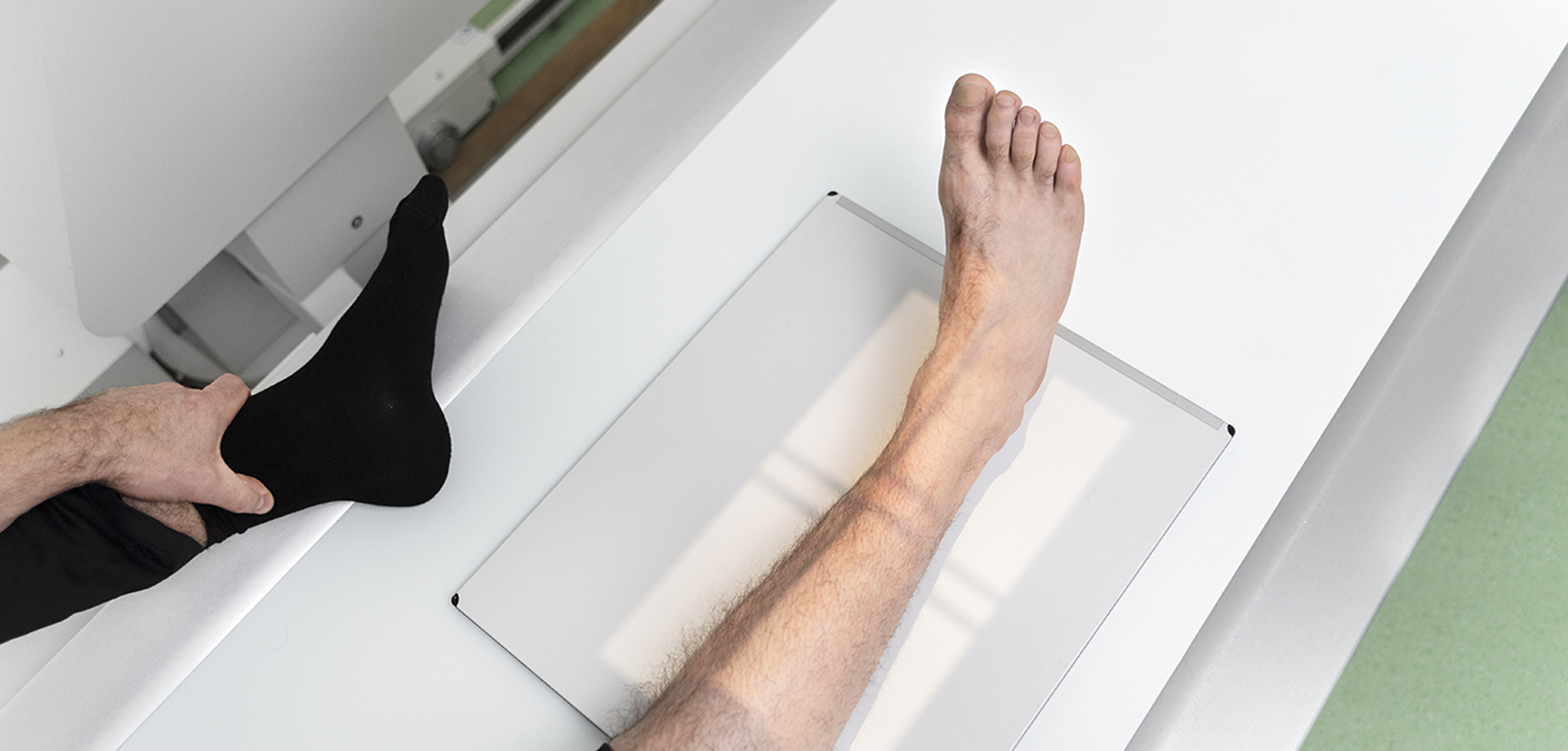
Fracture risk assessment is a fundamental aspect of osteoporosis and metabolic bone disease management, enabling early identification of individuals at increased risk of fragility fractures. Central to this assessment is bone mineral density measurement using dual-energy X-ray absorptiometry (DEXA), which provides quantitative evaluation of bone strength and guides treatment decisions. Coordinated DEXA assessment ensures accurate diagnosis, appropriate intervention, and effective long-term monitoring.
DEXA scanning measures bone density at clinically relevant sites, most commonly the lumbar spine and hip. Results are reported as T-scores and Z-scores, which are interpreted in conjunction with age, sex, fracture history, and clinical risk factors. DEXA coordination involves ensuring appropriate patient selection, standardized scanning protocols, and accurate interpretation of results within clinical context.
Fracture risk extends beyond bone density alone. Age, prior fractures, family history, medication use, hormonal status, and lifestyle factors contribute significantly to overall risk. Comprehensive fracture risk assessment integrates DEXA findings with clinical risk stratification tools to guide treatment intensity and preventive strategies.
Coordination of DEXA services includes patient education, appointment scheduling, result communication, and integration into ongoing care plans. Patients are counseled on the purpose of testing, radiation safety, and how results influence treatment decisions. Timely review of results allows prompt initiation or adjustment of osteoporosis therapy when indicated.
Repeat DEXA assessments are coordinated at appropriate intervals to monitor treatment response and disease progression. Structured follow-up ensures continuity of care and supports informed decision-making. Effective fracture risk assessment reduces preventable fractures, preserves independence, and improves long-term skeletal health outcomes.
DEXA scanning measures bone density at clinically relevant sites, most commonly the lumbar spine and hip. Results are reported as T-scores and Z-scores, which are interpreted in conjunction with age, sex, fracture history, and clinical risk factors. DEXA coordination involves ensuring appropriate patient selection, standardized scanning protocols, and accurate interpretation of results within clinical context.
Fracture risk extends beyond bone density alone. Age, prior fractures, family history, medication use, hormonal status, and lifestyle factors contribute significantly to overall risk. Comprehensive fracture risk assessment integrates DEXA findings with clinical risk stratification tools to guide treatment intensity and preventive strategies.
Coordination of DEXA services includes patient education, appointment scheduling, result communication, and integration into ongoing care plans. Patients are counseled on the purpose of testing, radiation safety, and how results influence treatment decisions. Timely review of results allows prompt initiation or adjustment of osteoporosis therapy when indicated.
Repeat DEXA assessments are coordinated at appropriate intervals to monitor treatment response and disease progression. Structured follow-up ensures continuity of care and supports informed decision-making. Effective fracture risk assessment reduces preventable fractures, preserves independence, and improves long-term skeletal health outcomes.
Quick Contact
If you have any questions simply use the following contact details.

Working Hours
-
Out-patient Department
Monday to Saturday 08:00 AM - 09:00 PM
Sunday 10:00 AM - 06:00 PM
-
Emergency Department & Pharmacy
Sunday to Saturday 24x7



Book Appointments, Inquire, or Manage Your Care Easily – Get in Touch via
 04 406 3000
  04 406 3000
Quick Links
Legal
Working Hours
-
Out-patient Department
Monday to Saturday | 8 AM to 9 PM
Sunday | 10 AM to 6 PM
Emergency Department & Pharmacy | 24x7
Connect with us!




©2026 IMH. All Rights Reserved. Ministry of Health License No : YP7TYZVC-090326