

External Ventricular Drain (EVD) Coordination
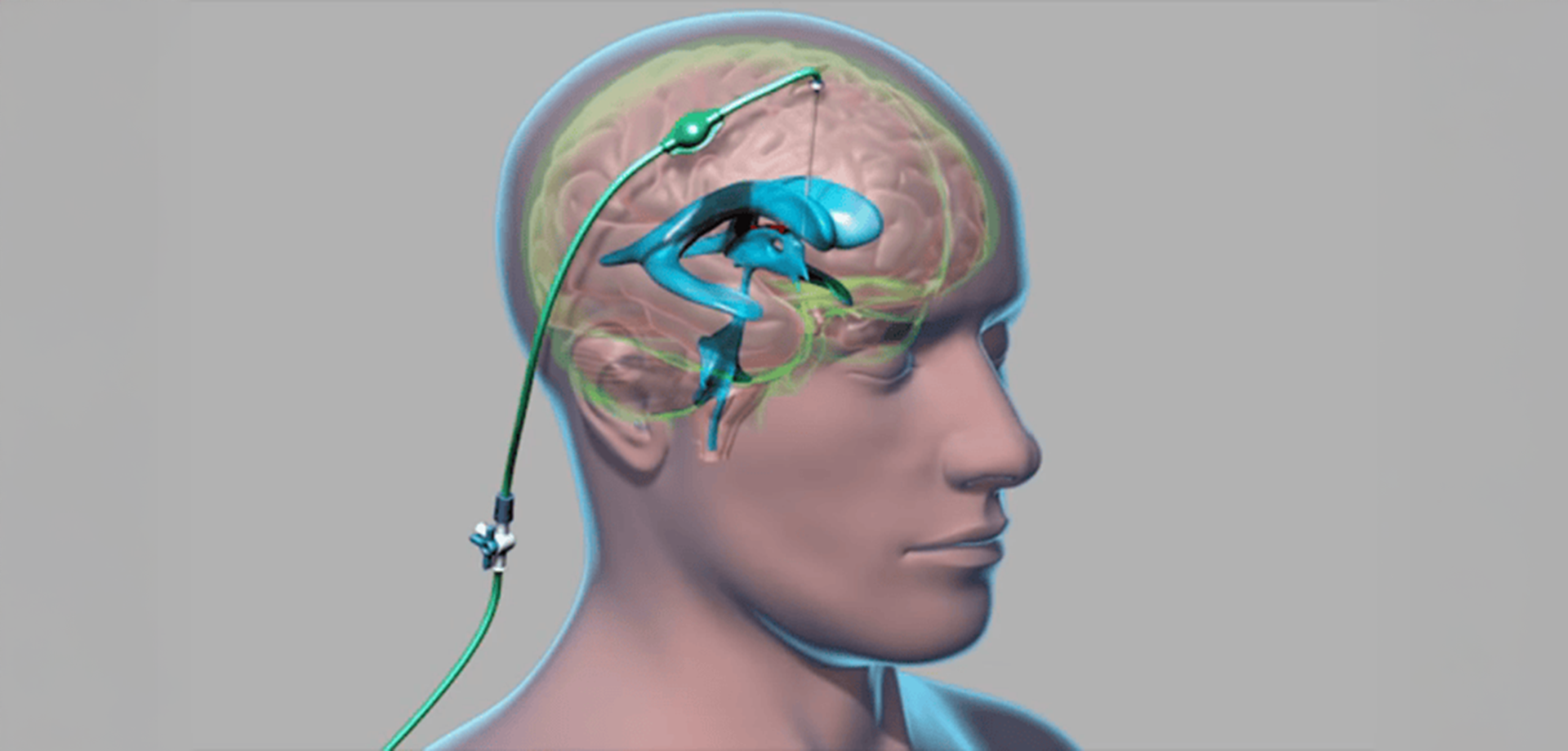
External ventricular drain (EVD) placement is a critical neurosurgical intervention used to manage elevated intracranial pressure and acute cerebrospinal fluid disturbances. In the UAE’s advanced neurocritical care units, EVD systems are commonly utilized in cases of traumatic brain injury, intracranial hemorrhage, hydrocephalus, or post-operative brain swelling. The procedure enables temporary drainage of excess cerebrospinal fluid while allowing continuous intracranial pressure monitoring, providing vital real-time data for critical decision-making.
Elevated intracranial pressure can compromise cerebral perfusion and lead to neurological deterioration if not managed promptly. An EVD involves the insertion of a catheter into the brain’s ventricular system, typically through a small cranial opening, connected to an external collection and monitoring system. Precision placement is essential to ensure effective drainage and accurate pressure measurement. In Dubai’s tertiary neuroscience centers, neuro-navigation and sterile operating protocols enhance procedural accuracy and safety.
EVD systems are most often managed within specialized neurocritical care units, where continuous monitoring allows rapid adjustment based on patient status. Coordination between neurosurgeons, intensivists, and nursing teams is fundamental to maintaining sterile conditions and preventing complications. The temporary nature of EVD placement distinguishes it from permanent shunt systems, as it is typically used during acute phases of illness or post-surgical recovery.
In the UAE’s integrated healthcare environment, EVD coordination includes multidisciplinary assessment, imaging follow-up, and transition planning once intracranial pressure stabilizes. Timely removal is considered when safe to reduce infection risk. Patients may subsequently undergo definitive procedures such as shunt placement if long-term cerebrospinal fluid diversion is required.
The use of EVD represents a life-saving intervention in many emergency neurosurgical scenarios. Rapid access to advanced neurocritical infrastructure in Dubai ensures that patients with severe brain injury or hemorrhage receive timely intervention. Modern neuroscience programs emphasize protocol-driven care, combining surgical precision with continuous monitoring technologies.
External ventricular drain coordination underscores the importance of specialized neurocritical expertise within comprehensive neuroscience centers. As the UAE continues to strengthen trauma and emergency neurosurgery capabilities, EVD systems remain integral to acute brain injury management. Their role in stabilizing patients during critical neurological events reinforces the importance of advanced monitoring and coordinated care pathways within Dubai’s evolving neurosurgical ecosystem.
Elevated intracranial pressure can compromise cerebral perfusion and lead to neurological deterioration if not managed promptly. An EVD involves the insertion of a catheter into the brain’s ventricular system, typically through a small cranial opening, connected to an external collection and monitoring system. Precision placement is essential to ensure effective drainage and accurate pressure measurement. In Dubai’s tertiary neuroscience centers, neuro-navigation and sterile operating protocols enhance procedural accuracy and safety.
EVD systems are most often managed within specialized neurocritical care units, where continuous monitoring allows rapid adjustment based on patient status. Coordination between neurosurgeons, intensivists, and nursing teams is fundamental to maintaining sterile conditions and preventing complications. The temporary nature of EVD placement distinguishes it from permanent shunt systems, as it is typically used during acute phases of illness or post-surgical recovery.
In the UAE’s integrated healthcare environment, EVD coordination includes multidisciplinary assessment, imaging follow-up, and transition planning once intracranial pressure stabilizes. Timely removal is considered when safe to reduce infection risk. Patients may subsequently undergo definitive procedures such as shunt placement if long-term cerebrospinal fluid diversion is required.
The use of EVD represents a life-saving intervention in many emergency neurosurgical scenarios. Rapid access to advanced neurocritical infrastructure in Dubai ensures that patients with severe brain injury or hemorrhage receive timely intervention. Modern neuroscience programs emphasize protocol-driven care, combining surgical precision with continuous monitoring technologies.
External ventricular drain coordination underscores the importance of specialized neurocritical expertise within comprehensive neuroscience centers. As the UAE continues to strengthen trauma and emergency neurosurgery capabilities, EVD systems remain integral to acute brain injury management. Their role in stabilizing patients during critical neurological events reinforces the importance of advanced monitoring and coordinated care pathways within Dubai’s evolving neurosurgical ecosystem.
Quick Contact
If you have any questions simply use the following contact details.

Working Hours
-
Out-patient Department
Monday to Saturday 08:00 AM - 09:00 PM
Sunday 10:00 AM - 06:00 PM
-
Emergency Department & Pharmacy
Sunday to Saturday 24x7



Book Appointments, Inquire, or Manage Your Care Easily – Get in Touch via
 04 406 3000
  04 406 3000
Quick Links
Legal
Working Hours
-
Out-patient Department
Monday to Saturday | 8 AM to 9 PM
Sunday | 10 AM to 6 PM
Emergency Department & Pharmacy | 24x7
Connect with us!




©2026 IMH. All Rights Reserved. Ministry of Health License No : YP7TYZVC-090326