

Diabetes Meal Planning & Education
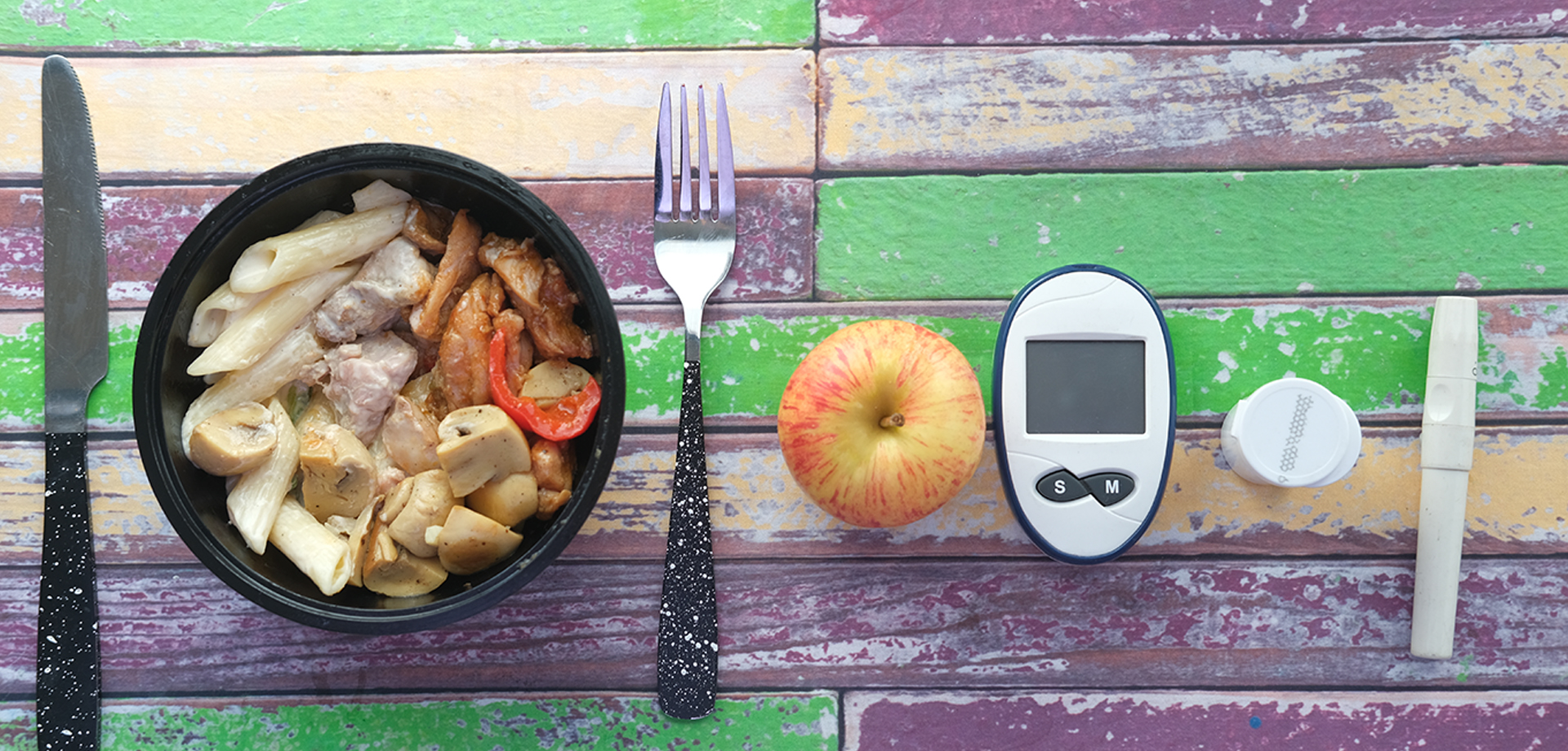
Diabetes meal planning and education is a core component of comprehensive diabetes care, enabling individuals to achieve stable blood glucose control while maintaining nutritional adequacy and quality of life. Effective meal planning goes beyond carbohydrate counting and focuses on understanding how food choices, meal timing, portion size, and lifestyle factors interact with diabetes treatment.
The process begins with individualized assessment of dietary habits, cultural food preferences, treatment regimen, glycemic patterns, and daily routine. Meal plans are tailored to align with insulin therapy, oral medications, or non-pharmacological management strategies. This personalization ensures that dietary recommendations are practical, realistic, and sustainable.
Education empowers individuals to make informed food choices rather than follow rigid rules. Patients learn how different macronutrients affect blood glucose levels, how to balance meals, and how to manage special situations such as eating out, illness, fasting, or travel. Label reading, portion estimation, and meal timing are emphasized to support self-management.
Diabetes meal planning also addresses weight management, cardiovascular risk, and prevention of long-term complications. Nutritional strategies aim to stabilize postprandial glucose excursions, reduce glycemic variability, and support overall metabolic health. Education is reinforced through ongoing follow-up and adjustment based on glucose monitoring data.
When delivered as part of a structured diabetes education program, meal planning improves glycemic control, reduces hypoglycemia risk, and enhances confidence in self-care. It transforms nutrition from a source of confusion into a powerful tool for diabetes control.
The process begins with individualized assessment of dietary habits, cultural food preferences, treatment regimen, glycemic patterns, and daily routine. Meal plans are tailored to align with insulin therapy, oral medications, or non-pharmacological management strategies. This personalization ensures that dietary recommendations are practical, realistic, and sustainable.
Education empowers individuals to make informed food choices rather than follow rigid rules. Patients learn how different macronutrients affect blood glucose levels, how to balance meals, and how to manage special situations such as eating out, illness, fasting, or travel. Label reading, portion estimation, and meal timing are emphasized to support self-management.
Diabetes meal planning also addresses weight management, cardiovascular risk, and prevention of long-term complications. Nutritional strategies aim to stabilize postprandial glucose excursions, reduce glycemic variability, and support overall metabolic health. Education is reinforced through ongoing follow-up and adjustment based on glucose monitoring data.
When delivered as part of a structured diabetes education program, meal planning improves glycemic control, reduces hypoglycemia risk, and enhances confidence in self-care. It transforms nutrition from a source of confusion into a powerful tool for diabetes control.
Quick Contact
If you have any questions simply use the following contact details.

Working Hours
-
Out-patient Department
Monday to Saturday 08:00 AM - 09:00 PM
Sunday 10:00 AM - 06:00 PM
-
Emergency Department & Pharmacy
Sunday to Saturday 24x7



Book Appointments, Inquire, or Manage Your Care Easily – Get in Touch via
 04 406 3000
  04 406 3000
Quick Links
Legal
Working Hours
-
Out-patient Department
Monday to Saturday | 8 AM to 9 PM
Sunday | 10 AM to 6 PM
Emergency Department & Pharmacy | 24x7
Connect with us!




©2026 IMH. All Rights Reserved. Ministry of Health License No : YP7TYZVC-090326