

Cardiac Monitoring & ECG Interpretation
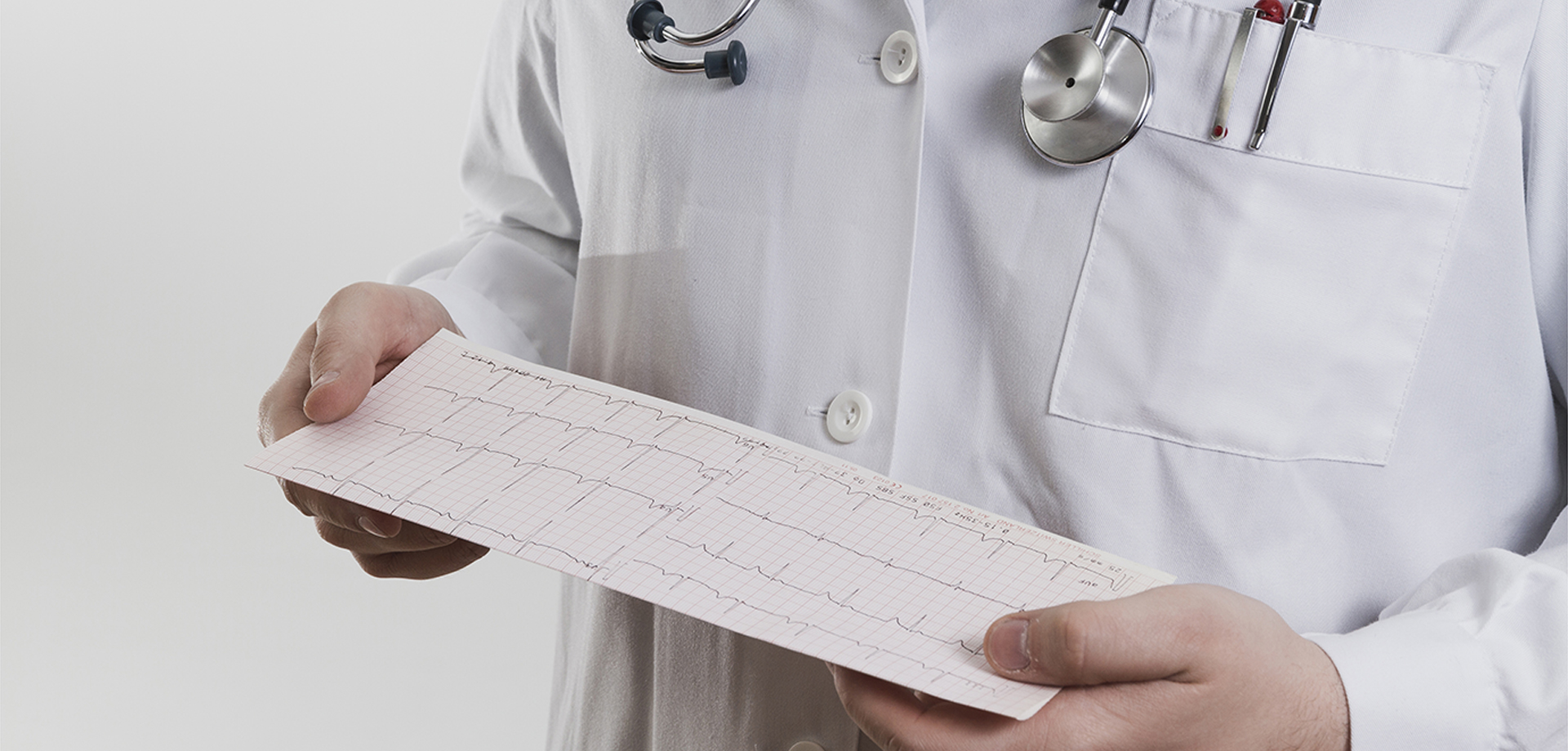
Cardiac monitoring and electrocardiogram (ECG) interpretation are essential components of emergency medical care, particularly in a region where cardiovascular disease remains a leading cause of morbidity and mortality. Rapid detection of arrhythmias, myocardial infarction, ischemia, and conduction abnormalities can mean the difference between life and death.
Continuous cardiac monitoring is initiated for patients presenting with chest pain, palpitations, shortness of breath, syncope, dizziness, or suspected cardiac conditions. Electrodes are placed on the chest to record electrical activity of the heart, allowing emergency physicians to assess heart rhythm in real time. Abnormal rhythms such as ventricular tachycardia, atrial fibrillation, heart block, or ventricular fibrillation require immediate intervention.
A 12-lead ECG is a non-invasive diagnostic test that provides detailed information about cardiac electrical conduction. It is the gold standard for diagnosing acute myocardial infarction (heart attack). In suspected heart attack cases, door-to-ECG time is kept under 10 minutes in high-quality emergency departments. Early detection allows activation of cardiac catheterization labs for life-saving angioplasty procedures.
ECG interpretation requires expertise in recognizing ST-segment elevations, depressions, T-wave inversions, and other ischemic changes. Identifying these patterns quickly allows initiation of thrombolysis or primary percutaneous coronary intervention when appropriate. Additionally, electrolyte imbalances, drug toxicity, and structural heart diseases may present with specific ECG findings.
Cardiac monitoring is not limited to heart attacks. It is crucial in cases of sepsis, shock, pulmonary embolism, stroke, and trauma where cardiac complications may arise. High-risk patients are monitored continuously to detect sudden rhythm changes.
In the UAE, where lifestyle-related cardiac risk factors such as diabetes, hypertension, and obesity are prevalent, rapid cardiac evaluation in emergency settings is vital. Modern emergency departments are equipped with digital ECG machines, telemetry systems, and integrated monitoring platforms linked to electronic medical records.
Emergency physicians collaborate with cardiologists for complex interpretations and management decisions. If life-threatening arrhythmias are detected, immediate interventions such as defibrillation, cardioversion, or medication administration are performed without delay.
Ultimately, cardiac monitoring and ECG interpretation serve as fundamental tools in early diagnosis, risk stratification, and emergency cardiac management. Rapid and accurate interpretation ensures timely treatment, reduces complications, and significantly improves patient survival outcomes.
Continuous cardiac monitoring is initiated for patients presenting with chest pain, palpitations, shortness of breath, syncope, dizziness, or suspected cardiac conditions. Electrodes are placed on the chest to record electrical activity of the heart, allowing emergency physicians to assess heart rhythm in real time. Abnormal rhythms such as ventricular tachycardia, atrial fibrillation, heart block, or ventricular fibrillation require immediate intervention.
A 12-lead ECG is a non-invasive diagnostic test that provides detailed information about cardiac electrical conduction. It is the gold standard for diagnosing acute myocardial infarction (heart attack). In suspected heart attack cases, door-to-ECG time is kept under 10 minutes in high-quality emergency departments. Early detection allows activation of cardiac catheterization labs for life-saving angioplasty procedures.
ECG interpretation requires expertise in recognizing ST-segment elevations, depressions, T-wave inversions, and other ischemic changes. Identifying these patterns quickly allows initiation of thrombolysis or primary percutaneous coronary intervention when appropriate. Additionally, electrolyte imbalances, drug toxicity, and structural heart diseases may present with specific ECG findings.
Cardiac monitoring is not limited to heart attacks. It is crucial in cases of sepsis, shock, pulmonary embolism, stroke, and trauma where cardiac complications may arise. High-risk patients are monitored continuously to detect sudden rhythm changes.
In the UAE, where lifestyle-related cardiac risk factors such as diabetes, hypertension, and obesity are prevalent, rapid cardiac evaluation in emergency settings is vital. Modern emergency departments are equipped with digital ECG machines, telemetry systems, and integrated monitoring platforms linked to electronic medical records.
Emergency physicians collaborate with cardiologists for complex interpretations and management decisions. If life-threatening arrhythmias are detected, immediate interventions such as defibrillation, cardioversion, or medication administration are performed without delay.
Ultimately, cardiac monitoring and ECG interpretation serve as fundamental tools in early diagnosis, risk stratification, and emergency cardiac management. Rapid and accurate interpretation ensures timely treatment, reduces complications, and significantly improves patient survival outcomes.
Quick Contact
If you have any questions simply use the following contact details.

Working Hours
-
Out-patient Department
Monday to Saturday 08:00 AM - 09:00 PM
Sunday 10:00 AM - 06:00 PM
-
Emergency Department & Pharmacy
Sunday to Saturday 24x7



Book Appointments, Inquire, or Manage Your Care Easily – Get in Touch via
 04 406 3000
  04 406 3000
Quick Links
Legal
Working Hours
-
Out-patient Department
Monday to Saturday | 8 AM to 9 PM
Sunday | 10 AM to 6 PM
Emergency Department & Pharmacy | 24x7
Connect with us!




©2026 IMH. All Rights Reserved. Ministry of Health License No : YP7TYZVC-090326