

Nutrition for Bariatric Surgery (Pre & Post)
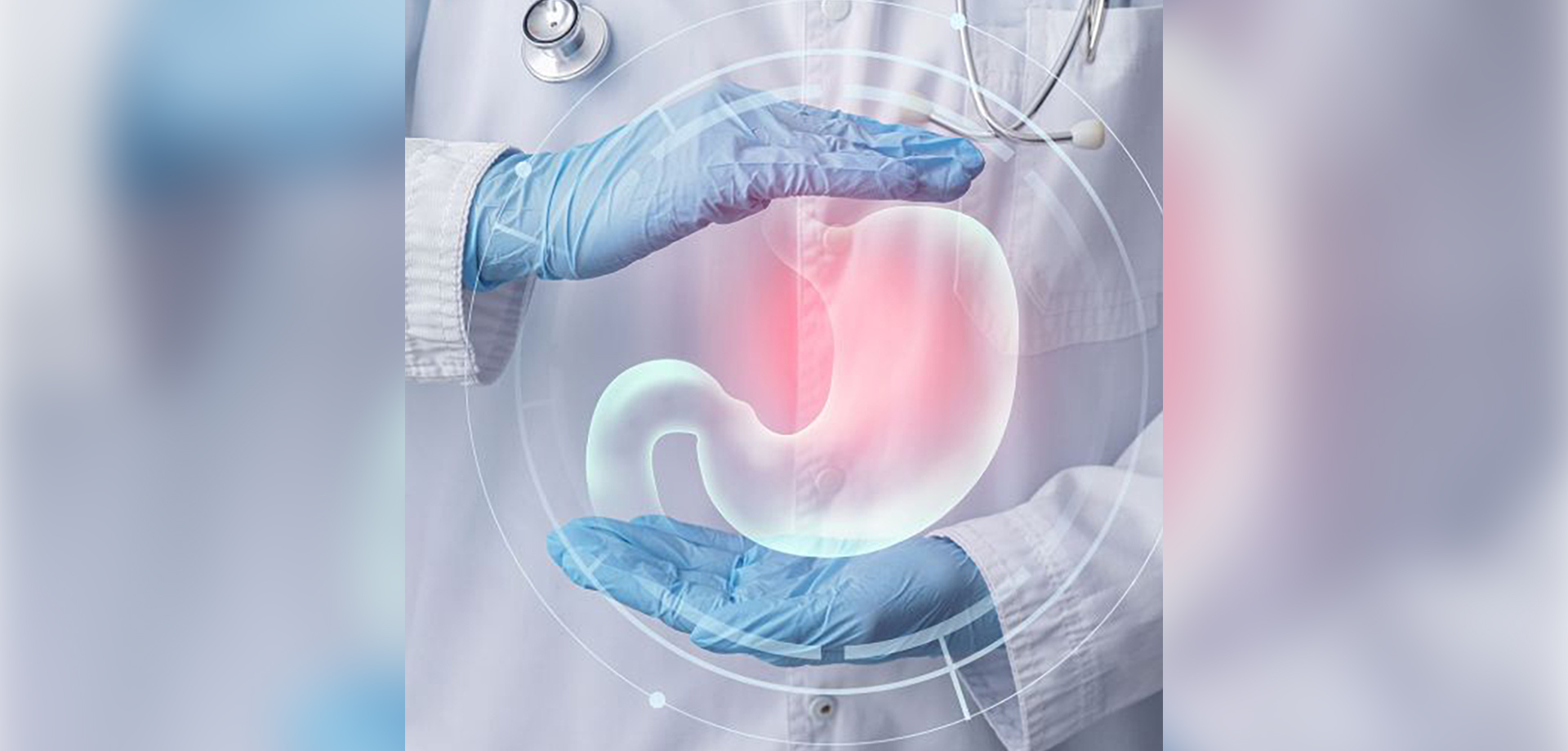
Nutrition for bariatric surgery is a structured, phased nutrition service that supports patients before and after weight loss surgery to ensure safety, effectiveness, and long-term success. Bariatric surgery profoundly alters gastrointestinal anatomy and nutrient absorption, making specialized nutritional care essential throughout the surgical journey.
Preoperative nutrition focuses on optimizing metabolic health, reducing surgical risk, and preparing patients for postoperative dietary changes. Assessment includes nutritional status, micronutrient levels, eating behaviors, and readiness for lifestyle modification. Preoperative dietary strategies help reduce liver size, improve glycemic control, and lower perioperative complications.
Postoperative nutrition is delivered in carefully staged phases, progressing from liquids to pureed foods and eventually to solid meals. Each phase is designed to protect surgical sites, support healing, and prevent gastrointestinal intolerance. Education emphasizes portion control, protein intake, hydration, and mindful eating.
Micronutrient supplementation is a lifelong requirement following bariatric surgery. Nutrition plans address risks of deficiencies in iron, vitamin B12, calcium, vitamin D, and other essential nutrients. Regular monitoring ensures early detection and correction of deficiencies.
Behavioral counseling is integrated into bariatric nutrition care to support long-term weight maintenance and prevent maladaptive eating patterns. Patients are guided through challenges such as social eating, emotional triggers, and lifestyle adjustments.
When delivered through a multidisciplinary bariatric program, nutrition care improves surgical outcomes, reduces complications, and supports sustained weight loss and metabolic improvement. Structured nutrition management transforms bariatric surgery from a procedural intervention into a comprehensive, long-term health solution.
Preoperative nutrition focuses on optimizing metabolic health, reducing surgical risk, and preparing patients for postoperative dietary changes. Assessment includes nutritional status, micronutrient levels, eating behaviors, and readiness for lifestyle modification. Preoperative dietary strategies help reduce liver size, improve glycemic control, and lower perioperative complications.
Postoperative nutrition is delivered in carefully staged phases, progressing from liquids to pureed foods and eventually to solid meals. Each phase is designed to protect surgical sites, support healing, and prevent gastrointestinal intolerance. Education emphasizes portion control, protein intake, hydration, and mindful eating.
Micronutrient supplementation is a lifelong requirement following bariatric surgery. Nutrition plans address risks of deficiencies in iron, vitamin B12, calcium, vitamin D, and other essential nutrients. Regular monitoring ensures early detection and correction of deficiencies.
Behavioral counseling is integrated into bariatric nutrition care to support long-term weight maintenance and prevent maladaptive eating patterns. Patients are guided through challenges such as social eating, emotional triggers, and lifestyle adjustments.
When delivered through a multidisciplinary bariatric program, nutrition care improves surgical outcomes, reduces complications, and supports sustained weight loss and metabolic improvement. Structured nutrition management transforms bariatric surgery from a procedural intervention into a comprehensive, long-term health solution.
Quick Contact
If you have any questions simply use the following contact details.

Working Hours
-
Out-patient Department
Monday to Saturday 08:00 AM - 09:00 PM
Sunday 10:00 AM - 06:00 PM
-
Emergency Department & Pharmacy
Sunday to Saturday 24x7



Book Appointments, Inquire, or Manage Your Care Easily – Get in Touch via
 04 406 3000
  04 406 3000
Quick Links
Legal
Working Hours
-
Out-patient Department
Monday to Saturday | 8 AM to 9 PM
Sunday | 10 AM to 6 PM
Emergency Department & Pharmacy | 24x7
Connect with us!




©2026 IMH. All Rights Reserved. Ministry of Health License No : YP7TYZVC-090326