

Airway Management & Emergency Intubation
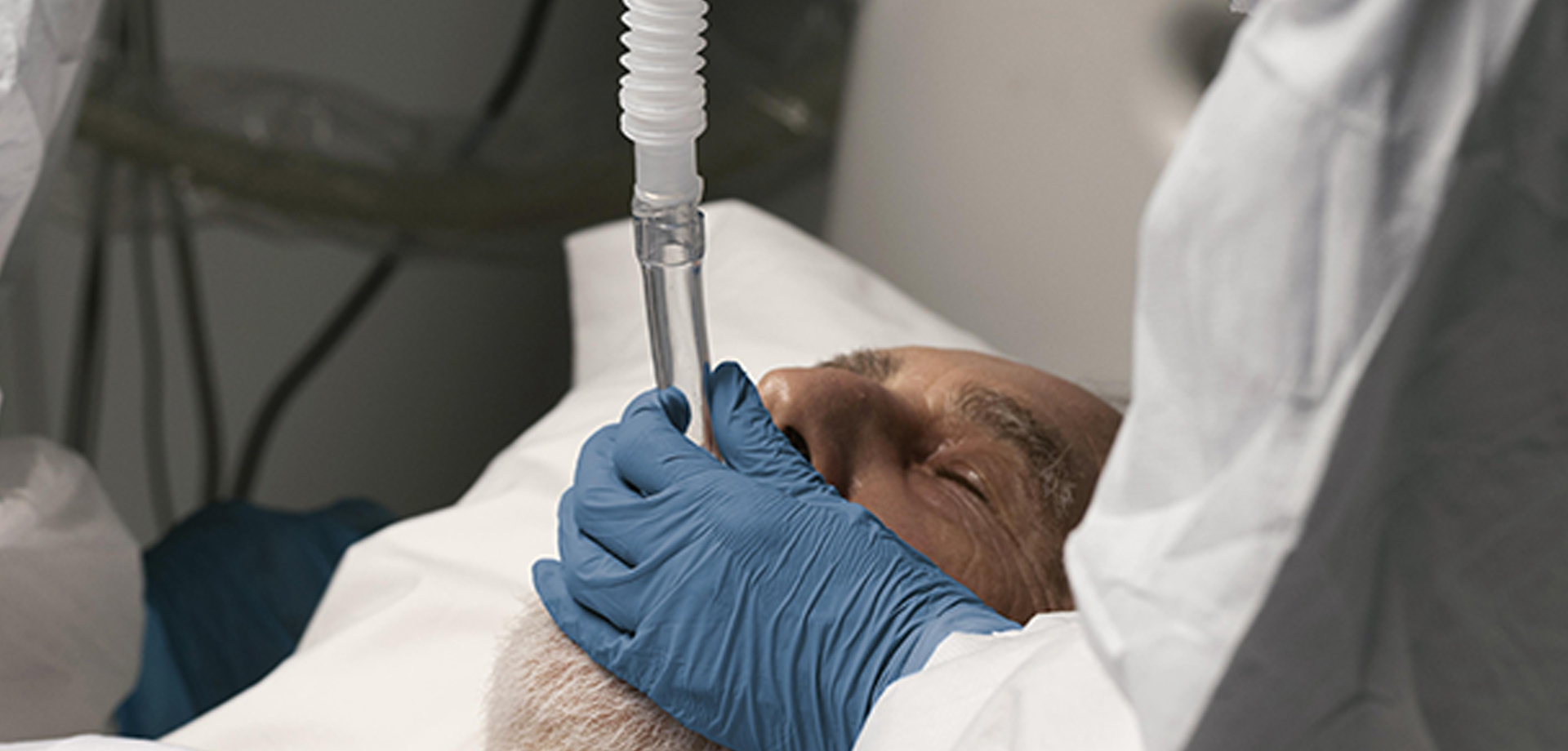
Airway management is one of the most critical and time-sensitive interventions in emergency medicine. The inability to maintain a clear airway can rapidly lead to oxygen deprivation, brain injury, cardiac arrest, and death. In emergency departments across the UAE, advanced airway management and emergency intubation are routinely performed for patients experiencing respiratory failure, severe trauma, altered consciousness, cardiac arrest, or airway obstruction.
The primary goal of airway management is to ensure adequate oxygenation and ventilation. Emergency physicians assess airway patency immediately upon patient arrival. Signs such as stridor, gurgling sounds, cyanosis, low oxygen saturation, or altered mental status may indicate compromised airway control. Rapid action is essential.
Initial airway support may include positioning techniques, suctioning, supplemental oxygen, or bag-valve-mask ventilation. However, when a patient cannot maintain their airway independently, endotracheal intubation becomes necessary. Emergency intubation involves inserting a tube through the mouth into the trachea to secure the airway and connect the patient to a mechanical ventilator.
Rapid Sequence Intubation (RSI) is commonly used in emergency settings. This technique combines sedative and paralytic medications to facilitate safe and quick tube placement while minimizing aspiration risk. Continuous cardiac monitoring and oxygen saturation tracking are mandatory during the procedure. Advanced tools such as video laryngoscopes have improved visualization and increased success rates.
Airway management is particularly vital in trauma cases, including road traffic accidents common in the region. Patients with head injuries, facial fractures, or cervical spine trauma require careful stabilization to prevent further injury during intubation. In cardiac arrest scenarios, securing the airway ensures optimal oxygen delivery during CPR.
Certain medical emergencies such as severe asthma attacks, anaphylaxis, pneumonia, sepsis, or COVID-related respiratory failure may also necessitate advanced airway support. Pediatric airway emergencies require specialized expertise due to anatomical differences.
Complications such as failed intubation, aspiration, or esophageal tube placement are minimized through strict protocols and confirmation methods including capnography and chest auscultation. Emergency teams are trained in difficult airway algorithms and alternative airway devices such as supraglottic airway masks or surgical airway procedures when necessary.
Modern emergency departments in Dubai are equipped with ventilators, airway carts, advanced monitoring systems, and trained critical care teams to ensure patient safety. Early airway intervention significantly reduces morbidity and mortality in critically ill patients.
Effective airway management represents a cornerstone of emergency stabilization. Through skilled execution, adherence to guidelines, and coordinated teamwork, emergency physicians ensure that patients receive life-sustaining oxygenation during the most critical moments.
The primary goal of airway management is to ensure adequate oxygenation and ventilation. Emergency physicians assess airway patency immediately upon patient arrival. Signs such as stridor, gurgling sounds, cyanosis, low oxygen saturation, or altered mental status may indicate compromised airway control. Rapid action is essential.
Initial airway support may include positioning techniques, suctioning, supplemental oxygen, or bag-valve-mask ventilation. However, when a patient cannot maintain their airway independently, endotracheal intubation becomes necessary. Emergency intubation involves inserting a tube through the mouth into the trachea to secure the airway and connect the patient to a mechanical ventilator.
Rapid Sequence Intubation (RSI) is commonly used in emergency settings. This technique combines sedative and paralytic medications to facilitate safe and quick tube placement while minimizing aspiration risk. Continuous cardiac monitoring and oxygen saturation tracking are mandatory during the procedure. Advanced tools such as video laryngoscopes have improved visualization and increased success rates.
Airway management is particularly vital in trauma cases, including road traffic accidents common in the region. Patients with head injuries, facial fractures, or cervical spine trauma require careful stabilization to prevent further injury during intubation. In cardiac arrest scenarios, securing the airway ensures optimal oxygen delivery during CPR.
Certain medical emergencies such as severe asthma attacks, anaphylaxis, pneumonia, sepsis, or COVID-related respiratory failure may also necessitate advanced airway support. Pediatric airway emergencies require specialized expertise due to anatomical differences.
Complications such as failed intubation, aspiration, or esophageal tube placement are minimized through strict protocols and confirmation methods including capnography and chest auscultation. Emergency teams are trained in difficult airway algorithms and alternative airway devices such as supraglottic airway masks or surgical airway procedures when necessary.
Modern emergency departments in Dubai are equipped with ventilators, airway carts, advanced monitoring systems, and trained critical care teams to ensure patient safety. Early airway intervention significantly reduces morbidity and mortality in critically ill patients.
Effective airway management represents a cornerstone of emergency stabilization. Through skilled execution, adherence to guidelines, and coordinated teamwork, emergency physicians ensure that patients receive life-sustaining oxygenation during the most critical moments.
Quick Contact
If you have any questions simply use the following contact details.

Working Hours
-
Out-patient Department
Monday to Saturday 08:00 AM - 09:00 PM
Sunday 10:00 AM - 06:00 PM
-
Emergency Department & Pharmacy
Sunday to Saturday 24x7



Book Appointments, Inquire, or Manage Your Care Easily – Get in Touch via
 04 406 3000
  04 406 3000
Quick Links
Legal
Working Hours
-
Out-patient Department
Monday to Saturday | 8 AM to 9 PM
Sunday | 10 AM to 6 PM
Emergency Department & Pharmacy | 24x7
Connect with us!




©2026 IMH. All Rights Reserved. Ministry of Health License No : YP7TYZVC-090326