

Trauma (Road Traffic Accidents / Falls)
Trauma resulting from road traffic accidents (RTA) or falls is a major cause of emergency department admissions and can involve multiple organ systems simultaneously. Injuries may range from isolated soft tissue trauma to complex multi-system injuries including head trauma, internal bleeding, spinal cord injury, and fractures. Because trauma patients may deteriorate rapidly, emergency management follows a structured and highly coordinated protocol.
Initial trauma evaluation prioritizes the primary survey, focusing on airway, breathing, circulation, disability (neurological status), and exposure. Airway protection is the first priority, particularly in patients with altered consciousness or facial injury. Breathing is assessed for signs of lung injury, pneumothorax, or respiratory compromise. Circulatory assessment identifies active bleeding, hypotension, or shock.
Severe trauma may involve blunt or penetrating injuries. Blunt trauma from high-speed collisions may cause internal bleeding in the abdomen or chest without obvious external signs. Falls from height may result in spinal injury or internal organ damage. Visible injuries such as lacerations, deformities, or bleeding are carefully assessed but should not distract from identifying hidden life-threatening conditions.
Continuous monitoring of vital signs is initiated immediately. Intravenous access allows rapid fluid administration and blood transfusion if required. Focused imaging such as trauma ultrasound may be used to detect internal bleeding. X-rays and CT scans provide detailed evaluation of internal injuries, fractures, and organ damage.
The secondary survey follows once the patient is stabilized. This includes detailed head-to-toe examination to identify less obvious injuries such as rib fractures, pelvic instability, spinal tenderness, or abdominal guarding. Neurological status is repeatedly assessed using standardized scales to detect early deterioration.
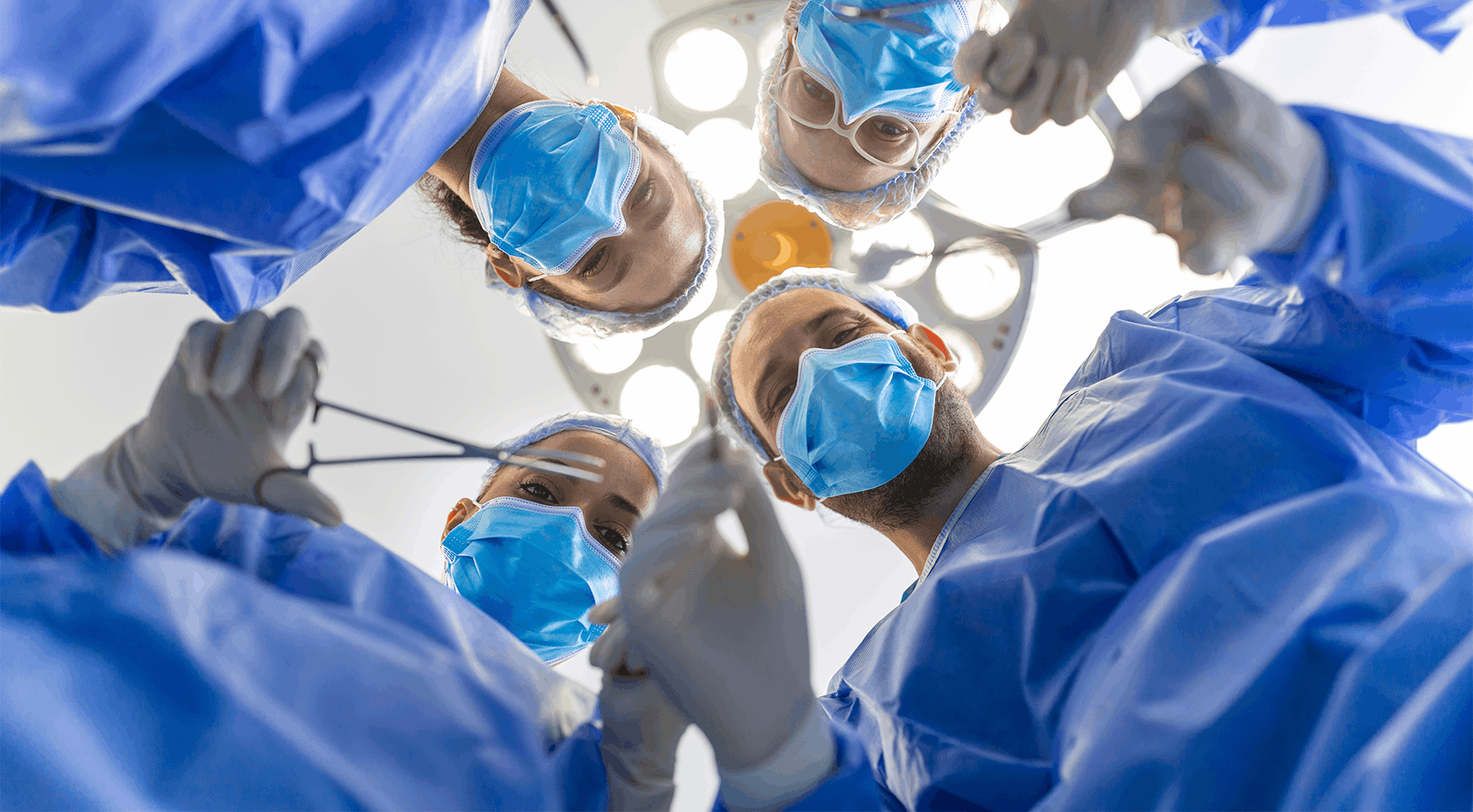
Pain management is administered carefully while maintaining vigilance for evolving complications. In cases of severe hemorrhage, massive transfusion protocols may be activated. Surgical teams are involved early when internal bleeding or organ injury is suspected. Orthopedic, neurosurgical, and critical care teams collaborate in complex cases.
Trauma patients are at risk of complications such as shock, respiratory failure, brain swelling, and multi-organ dysfunction. Continuous reassessment ensures rapid response to changing clinical status. Early stabilization significantly improves survival and reduces long-term disability.
Trauma care in the emergency department emphasizes rapid triage, structured assessment, coordinated multidisciplinary management, and timely definitive intervention. Well-established trauma protocols improve survival rates and optimize functional recovery following serious accidents.
Quick Contact
If you have any questions simply use the following contact details.

Working Hours
-
Out-patient Department
Monday to Saturday 08:00 AM - 09:00 PM
Sunday 10:00 AM - 06:00 PM
-
Emergency Department & Pharmacy
Sunday to Saturday 24x7


 04 406 3000
  04 406 3000
Quick Links
Legal
Working Hours
-
Out-patient Department
Monday to Saturday | 8 AM to 9 PM
Sunday | 10 AM to 6 PM
Emergency Department & Pharmacy | 24x7
Connect with us!




©2026 IMH. All Rights Reserved. Ministry of Health License No : YP7TYZVC-090326